A borescope camera is a specialized type of inspection camera, built for tight, deep, hard-to-reach spaces.
If you have ever tried to see inside an engine, a wall cavity, or a pipe, you already know how useful the right camera can be. The borescope camera vs inspection camera debate comes down to one thing: choosing the tool that fits the space, the task, and the level of detail you need. I’ve used both in real-world checks, and the difference matters more than most people expect.
What is a borescope camera?
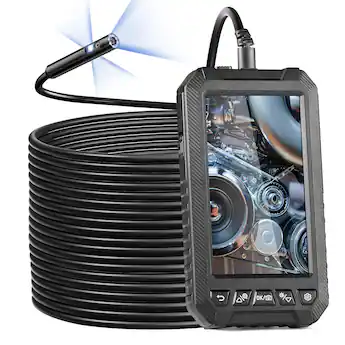
A borescope camera is made to look into narrow openings and deep internal spaces. It usually has a long, slim probe with a tiny camera at the tip. Many models also include LED lights, a flexible or semi-rigid cable, and a screen or phone connection.
In practice, a borescope camera is often used for engines, turbines, HVAC parts, plumbing lines, and machinery. It is the kind of tool you reach for when the space is too tight for your eyes or your hand. Think of it like a flashlight with a sharp eye at the end of a thin snake.
From my own use, borescope cameras shine when you need precision in a confined path. I once used one to inspect a clogged drain line, and the slim probe got me to a bend that a larger camera could not reach cleanly. That kind of access is the main reason people choose a borescope camera.
What is an inspection camera?
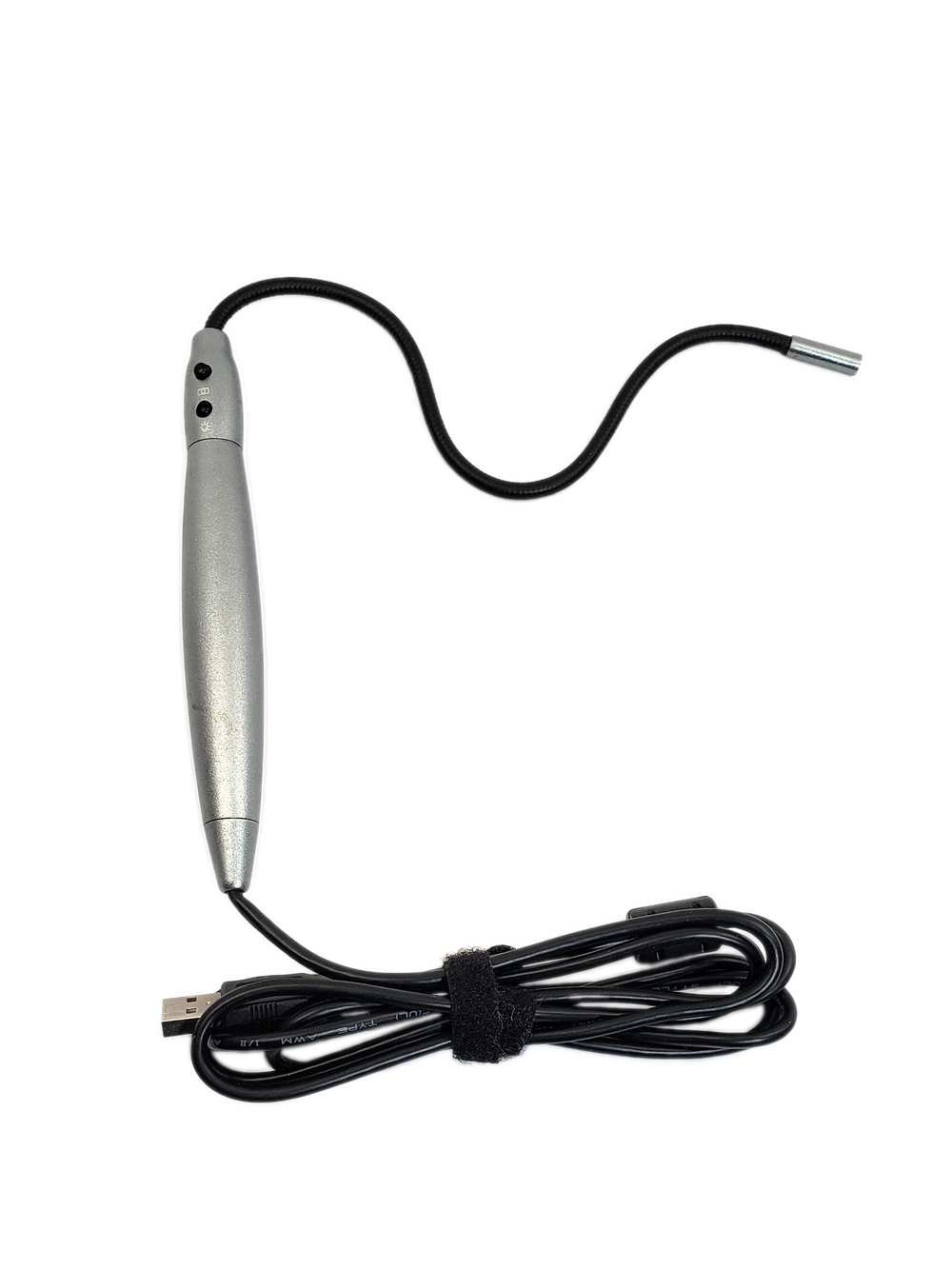
An inspection camera is a broader term for cameras used to inspect hard-to-see areas. It may look similar to a borescope camera, but it is often designed for a wider range of jobs and can be less specialized. Some inspection cameras are more rugged, more affordable, or easier to use for home and DIY tasks.
Inspection cameras can be used for wall voids, appliance checks, vehicle repairs, crawl spaces, and general visual inspections. Some models are wired, while others are wireless. The camera head may be larger than a borescope camera, which can make it easier to use in less restricted spaces.
In simple terms, every borescope camera is an inspection tool, but not every inspection camera is a borescope. That is the key difference in the borescope camera vs inspection camera comparison. One is usually more specialized; the other is more general.
Borescope camera vs inspection camera: the core difference
The borescope camera vs inspection camera choice depends on access, image needs, and use case. A borescope camera is best when you need to inspect inside very small openings. An inspection camera is better when you want a flexible tool for broader visual checks.
Here is the simplest way to compare them:
- Borescope camera: Best for narrow, deep, technical inspection points
- Inspection camera: Best for general inspection jobs and easier access areas
- Borescope camera: Usually slimmer and more precise
- Inspection camera: Often more versatile and user-friendly for everyday work
When I compare the two in real use, I think of a borescope camera as a surgical tool and an inspection camera as a multi-purpose diagnostic tool. Both can help, but they are not built for exactly the same kind of work.
How they work
Both tools use a small camera at the end of a probe or cable. The image is sent to a screen, phone, tablet, or built-in display. Many modern models also include recording, zoom, adjustable lights, and waterproof tips.
The main working parts are usually the same:
- Camera tip: Captures the image
- Light source: Illuminates dark spaces
- Cable or probe: Reaches into the area
- Display or app: Shows the live feed
The difference is usually in design and purpose. A borescope camera tends to prioritize reach and tight entry. An inspection camera may prioritize comfort, ease of use, and broader application.
Best uses for a borescope camera
A borescope camera is the better choice when you need high access in a small opening. It is especially useful in mechanical and industrial work. I’ve seen technicians rely on it because it saves time and avoids disassembly.
Common uses include:
- Engine cylinder inspection
- HVAC duct checks
- Pipe and drain inspection
- Machine maintenance
- Internal weld or part inspection
- Aircraft and industrial equipment checks
If you need to see around bends, inside narrow tubes, or deep into a machine, the borescope camera usually wins. It is a specialist, and like most specialists, it does one job very well.
Best uses for an inspection camera
An inspection camera is ideal for general visual inspection tasks. It works well when the opening is not extremely tight and when ease of use matters. For homeowners, maintenance workers, and DIY users, this tool often feels more practical.
Typical uses include:
- Looking behind walls
- Checking under appliances
- Inspecting crawl spaces
- Finding leaks or loose parts
- Basic vehicle checks
- Home renovation inspections
If the job is broad and not ultra-technical, an inspection camera can be the better value. It is often easier to learn, quicker to set up, and less intimidating for beginners.
Image quality, cable design, and flexibility
In the borescope camera vs inspection camera debate, image quality is important, but it is not just about resolution. Cable design, lighting, and tip control matter just as much. A high-resolution camera is not helpful if it cannot reach the area properly.
Here is what to look at:
- Resolution: Higher resolution helps with fine detail
- Cable stiffness: Too soft and it is hard to guide; too stiff and it may not bend well
- Articulation: Some borescopes can steer the camera tip
- Lighting: Adjustable LEDs help prevent glare
- Focus distance: Important for close-up viewing
I’ve learned that a cheaper camera with good cable control can beat a higher-end model that keeps slipping out of position. The right balance matters more than the spec sheet alone.
Which one is better for home use?
For most homeowners, an inspection camera is usually the easier first choice. It tends to be more flexible, simpler to use, and better suited for basic troubleshooting. If you are checking behind a wall, under a sink, or inside an appliance, it often gets the job done.
A borescope camera is better if your home project involves very small openings or deeper internal spaces. For example, if you need to inspect inside a car engine, a boiler, or a long pipe, the slimmer probe is a big advantage. In that case, the borescope camera vs inspection camera choice is really about access.
My advice is simple: if you are a homeowner doing occasional checks, start with an inspection camera. If you are working on engines, machines, or pipes often, go with a borescope camera.
Which one is better for automotive work?
For automotive diagnostics, a borescope camera often has the edge. Mechanics use it to inspect cylinders, valves, spark plug holes, and tight engine areas. The narrow probe makes it easier to get into places where a standard inspection camera may feel bulky.
That said, an inspection camera can still be useful for broader under-hood checks. It may help with wiring, hidden leaks, or general visual review. But when the job gets deep and narrow, the borescope camera usually performs better.
A lot of people buy a general inspection camera first, then later realize they need the slimmer borescope style for engine work. That is a common lesson and one I’ve seen many times.
Which one is better for plumbing and HVAC?
For plumbing and HVAC, the borescope camera is often the stronger choice for narrow lines and ducts. It can travel deeper into pipes and small channels. This makes it useful for blockages, cracks, corrosion, or hidden debris.
Inspection cameras are still useful in these trades, especially for larger openings or basic checks. They are often easier for general maintenance and quick look-ins. But when the path is tight or winding, the borescope camera usually gives better access and control.
Professional standards in maintenance and visual inspection often stress access, image clarity, and repeatability. Those are exactly the areas where a good borescope camera can pay off.

Key advantages of a borescope camera
A borescope camera offers several clear benefits in the borescope camera vs inspection camera comparison:
- Better access to narrow spaces
- More precise internal viewing
- Useful for technical and industrial work
- Often designed for deep insertion
- Can reduce the need for disassembly
The biggest win is accuracy in tight spaces. When I’ve needed to inspect something without taking it apart, the borescope camera saved time and reduced labor. That can mean fewer mistakes and less risk of damage.
Key advantages of an inspection camera
An inspection camera also has real strengths:
- Easier for beginners
- More versatile for general use
- Often more affordable
- Good for home and light repair tasks
- Simpler setup in many cases
If you want one camera for a variety of small jobs, the inspection camera is hard to beat. It may not be as specialized, but that flexibility can be very useful. For many users, that is the most practical answer in the borescope camera vs inspection camera decision.
Limitations to keep in mind
Neither tool is perfect. A borescope camera can be amazing in tight spaces, but it may feel harder to handle if you are not used to it. Some models can also be expensive, especially ones with steering controls or high-end imaging.
Inspection cameras can be easier to use, but they may not fit through very small openings. Their image quality and cable control can also vary a lot by brand and price. That is why the cheapest option is not always the best deal.
A few common limitations include:
- Poor low-light performance
- Short battery life
- Weak cable stiffness
- Limited waterproofing
- Lower image detail in budget models
The smartest buyers look at the full package, not just the camera name. In real work, usability matters just as much as specs.
How to choose the right one
When deciding between a borescope camera vs inspection camera, ask yourself a few simple questions:
- How tight is the space?
- Do I need a specialized tool or a general one?
- Will I use it for technical work or basic home checks?
- Do I need a wired or wireless model?
- Is image detail or reach more important?
A simple buying rule helps:
- Choose a borescope camera for narrow, deep, technical inspections.
- Choose an inspection camera for broader, everyday inspection tasks.
- Check cable length, image quality, lighting, and durability before buying.
- If possible, test ergonomics so you know it feels right in your hand.
I always tell people not to buy based on resolution alone. A 1080p camera is nice, but if the probe cannot move where you need it, the tool fails the job.
Practical tips from real-world use
Here are a few practical lessons I’ve learned while using both tools:
- Clean the lens before each use because a tiny smudge ruins detail fast
- Use the lowest light that still gives a clear image to avoid glare
- Keep the cable straight when possible to improve control
- Take photos or video during the inspection for later review
- Do a quick test on a known object before entering the actual space
One mistake I see often is pushing the probe too fast. That can create blur, lose the angle, or even snag the cable. Slow and steady usually gives better results.
Another mistake is ignoring the tip size. A camera that is only slightly too large can become useless in a narrow opening. That is a painful but very common lesson.
Safety and care
Both tools need basic care to stay accurate and last longer. Avoid forcing the probe into a tight bend, especially on less flexible cables. Store the camera dry and clean, and check the tip for damage before each use.
If the model is waterproof, that does not mean everything is safe forever. Always read the depth rating and use it within its limits. Good care helps preserve image quality and keeps the tool reliable.
Frequently Asked Questions of borescope camera vs inspection camera
Is a borescope camera the same as an inspection camera?
Not exactly. A borescope camera is a type of inspection tool made for narrow, deep spaces, while inspection camera is the broader category. Many people use the terms loosely, but the design and purpose are not always the same.
Which is better for engine inspection?
A borescope camera is usually better for engine inspection because it is slimmer and easier to guide into tight spots. It is especially useful for cylinders, valves, and small internal areas. An inspection camera can still help with wider under-hood checks.
Can an inspection camera be used for home repairs?
Yes, an inspection camera is often a good choice for home repairs. It works well for checking behind walls, under sinks, and inside appliances. For very tight spaces, though, a borescope camera may work better.
Do I need high resolution for a borescope camera?
High resolution helps, but it is not the only thing that matters. Cable control, lighting, and probe size can be just as important in real use. A clear image is useful only if the camera can actually reach the area you want to inspect.
What should I look for before buying one?
Look at probe size, cable length, image quality, lighting, battery life, and whether it is wired or wireless. For technical work, a borescope camera is usually the better pick. For general use, an inspection camera may offer better value and ease.
Conclusion
The borescope camera vs inspection camera decision becomes much easier once you focus on the job itself. If you need deep access in tight, narrow spaces, a borescope camera is usually the smarter tool. If you want a flexible option for general inspection work, an inspection camera often makes more sense.
The best choice is the one that saves time, reduces guesswork, and fits your real-world tasks. Start with your space, your use case, and your budget, then choose the camera that matches those needs. If you want, explore a few models, compare probe size and image quality, and leave a comment with the job you are trying to solve.

Mick Thomas
Contributor