Impact energy measures the energy of each blow. Stroke length affects hammer motion, while blow rate helps set how fast work gets done. All three matter, but none can prove real-world performance on its own.
On a construction site in the United States, a hammer tool must do more than make noise and shake. It must drill, chip, break, or shape the right material at a useful pace. A tool that hits hard may break thick concrete well. A tool that makes many light hits may work better for fine surface work. The best choice comes from the task, not just the largest number on the box.
Tool impact energy, stroke, and percussion performance are linked, but they describe different parts of the tool’s work. Impact energy tells us how much energy a single strike carries. Stroke is the distance a piston or hammer part moves during its cycle. Impact rate tells us how many blows occur in a set time. These values help explain why two tools with similar motor power can act in very different ways.
Many U.S. buyers see ratings in joules, blows per minute, impacts per minute, or foot-pounds. These units can be useful. Yet they can also cause confusion when brands use different test methods or quote no-load values. A large figure does not always mean the tool will finish the job first.
This guide explains how the ratings work, what changes their effect, and how to compare tools with care. It covers rotary hammers, demolition hammers, air-powered chippers, and related percussion systems. It also explains why an impact wrench is not rated in the same way as a concrete hammer.
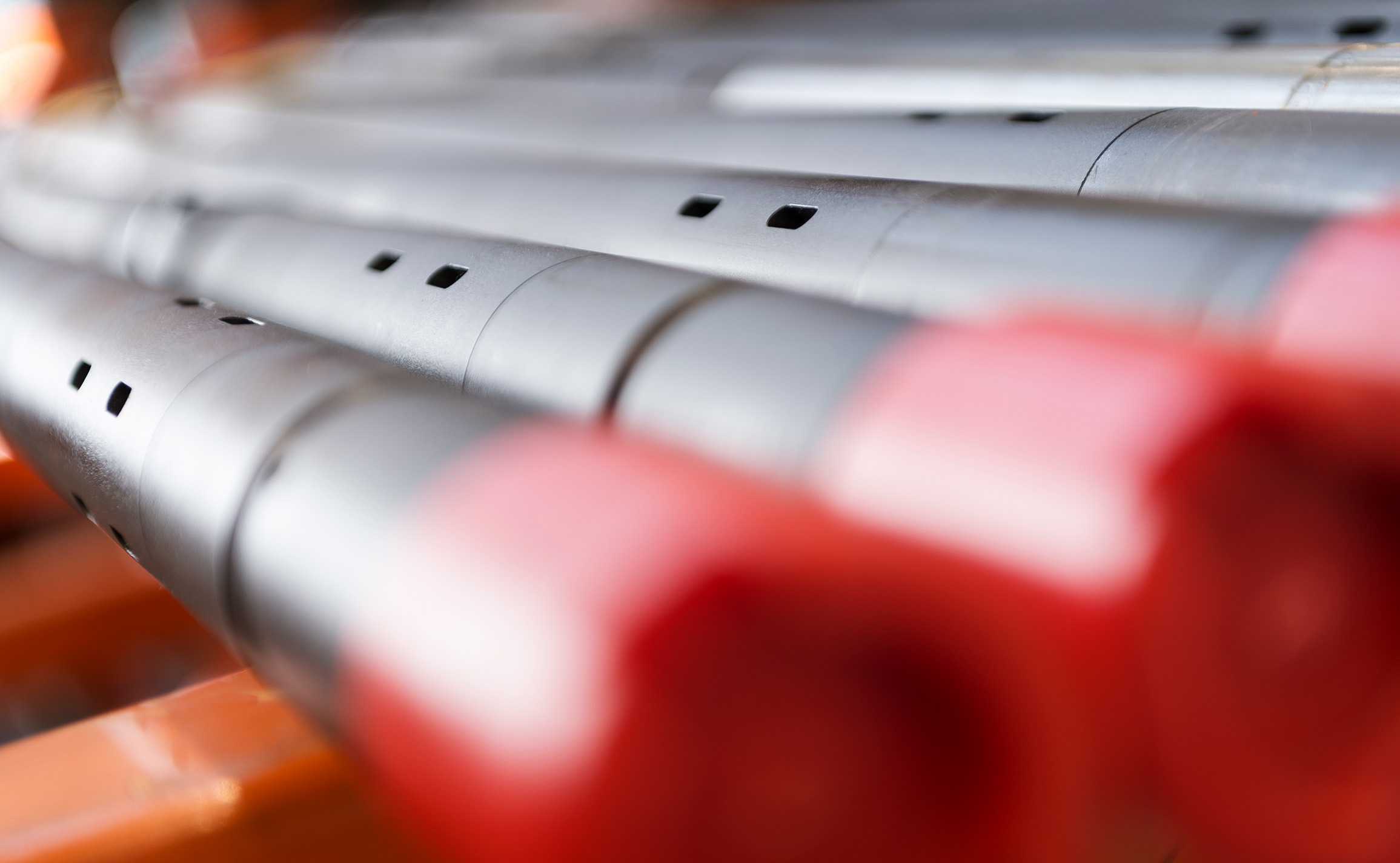
The supplied image shows NOV’s i-Stroke high-impact percussion hammer. It is a specialized downhole tool for coiled-tubing work in oil and gas wells, not a handheld demolition hammer. The image helps show that percussion tools exist in several industries, but its specifications should not be used as a direct comparison with ordinary construction tools.
Source: nov.com
What Impact Energy, Stroke, and Percussion Ratings Mean
Impact energy, stroke length, and impact rate describe related but separate parts of a hammer system. Energy describes a strike. Stroke describes movement. Rate describes how often the strike happens. The three values help explain how a tool works and what kind of job may suit it.
The most useful figure depends on the task. A worker who must break a thick concrete slab needs enough energy in each blow to start a crack. A worker who needs to strip old mortar may need lighter, more frequent hits. The same tool is not always ideal for both jobs.
A specification sheet may list some of these figures but leave out others. That does not mean the missing rating is zero. It may mean the maker uses a different method to describe the tool or does not publish that value.
Source: nov.com
Impact energy
The energy associated with one hammer strike. It is often given in joules, shown as J.
Stroke length
The distance a moving hammer piston or striker travels in its cycle. It is often given in inches or millimeters.
Impact rate
The number of strikes in a given time. Hammer tools often use blows per minute, or BPM.
Impact power
The rate at which energy is delivered through repeated blows. It can be estimated from energy per blow and strike frequency when those values apply under the same conditions.
How Impact Energy Is Measured
One joule is one unit of energy. A foot-pound is another unit of energy, and one joule is about 0.738 foot-pound. A hammer rated at 3 joules therefore has about 2.21 foot-pounds of stated energy per blow. This is a unit change, not proof of how much material the hammer will remove.
In a simple moving-mass model, kinetic energy equals one-half of mass times speed squared. A faster piston can carry much more energy because speed is squared. Yet the moving part does not pass all its energy to the work in a perfect way. Contact losses, rebound, bit shape, and internal design affect energy transfer.
Some rotary hammer makers state single-impact energy using a defined test procedure. Other tools may have ratings based on different methods. Before comparing values across brands, check whether they use the same test basis and operating conditions.
Energy is not force
Energy is measured in joules. Force is measured in newtons or pounds-force. A single energy rating does not tell us the peak contact force.
Energy is not torque
Torque acts around an axis. An impact wrench delivers twisting pulses, while a rotary hammer sends strikes along the bit.
What Stroke Length Tells You
Stroke length is the travel distance of a moving part in a hammer cycle. It is not the same as the depth of the hole or the amount of material removed per hit. A long stroke gives the drive system more distance in which to speed up its striker, but the result depends on the mechanism.
A long-stroke air hammer may deliver strong hits at a lower strike rate. A short-stroke hammer may deliver lighter hits much more often. The first can help with hard breaking work. The second can offer more control on thin material or surface deposits.
Stroke data becomes most useful when two tools have similar piston and drive designs. A longer stroke alone does not prove that a tool has more energy than every shorter-stroke model.
Why Blows Per Minute Matter
Blows per minute show how fast a hammer repeats its strikes. A rating of 3,000 BPM means 50 blows per second at the stated test condition. A rating of 4,500 BPM means 75 blows per second.
More hits can help when each hit removes a useful amount of material. But fast, weak hits may do little to thick or hard concrete. Some makers also quote a peak rate with little or no load. That rate may fall while the tool works.
The practical goal is not the highest BPM. It is enough energy per strike, at a useful rate, with good control and a steady power supply.
How a Percussion Tool Turns Power Into Repeated Strikes
A percussion tool takes energy from a motor, compressed air, or another drive source and turns it into repeated strikes. A moving hammer part gains speed and then hits another part of the tool. That strike sends a pulse into the bit or working end.
The pulse may crack concrete, cut through scale, loosen a fastener, or move a part inside industrial equipment. Each task needs a different form of impact. The direction of the blow, the size of the tool, and the shape of its working tip all affect the result.
The motor’s input power is not the same as impact power. Some energy is lost through heat, friction, noise, and vibration. This is why two tools with equal watt ratings can have different strike behavior.
Source: nov.com
Drive source
An electric motor, pneumatic supply, or hydraulic system provides energy for the moving parts.
Hammer mechanism
A piston, striker, or other moving mass creates the repeated impact.
Tool holder
The chuck or retainer holds the bit and helps send the impact to the working end.
Workpiece contact
The bit directs energy into the material. Its shape and condition affect cutting, breaking, and control.
Rotary Hammers and Hammer Drills Work Differently
A typical hammer drill uses a mechanical hammering action while the bit spins. It can work well for light holes in brick, block, or similar masonry. Its many small impacts do not make it the same as a dedicated rotary hammer.
A rotary hammer uses a separate hammer action to drive the bit along its axis while the bit rotates. This makes it well suited to repeated concrete drilling. Many models also offer a hammer-only mode for chipping, though not every rotary hammer has that feature.
For example, Bosch lists its BH 426 rotary hammer at 4.5 joules of impact energy and 4,500 BPM at rated speed. Those figures come from the maker’s technical data. They show the stated performance of that exact model, not a guaranteed drilling rate in all concrete.
Makita’s published specifications for a hybrid drill-driver show a much higher BPM in hammer-drill mode than its impacts per minute in impact-driver mode. The two modes use different actions. Their counts cannot be used as a direct measure of equal blow strength.
Hammer drill
Commonly suited to lighter masonry drilling with a standard drill-style chuck and compatible masonry bit.
Rotary hammer
Built for harder concrete drilling with a dedicated hammer system and a compatible bit holder, such as SDS-plus or SDS-max.
Demolition hammer
Built mainly to chip or break material rather than drill round holes.
Pneumatic Hammers Use Air to Move the Piston
A pneumatic chipping hammer uses compressed air to move a piston back and forth. The piston sends strikes through a chisel or another working tool. Its bore size, stroke length, impact rate, and air supply help set its output.
Atlas Copco’s technical guidance on chipping hammers explains a key trade-off. Larger pistons and longer strokes can raise energy per hit, but that design may reduce the number of hits per minute. The best balance depends on the material and the type of work.
A compressed-air rating is only useful when the job site can supply the air it needs. A compressor that cannot hold the required pressure and flow can make a capable tool feel weak. Hose size, leaks, and pressure loss also matter.
The tool’s rated air pressure must not be treated as a target to exceed. Use the air pressure and hose setup required by the maker. Raising pressure beyond the rated limit can damage the tool and create a safety risk.
Specialized Percussion Tools Have Different Jobs
Not every percussion hammer works on concrete or metal at the surface. NOV’s i-Stroke is a downhole percussion system made for coiled-tubing fishing and shifting work. Its maker describes upstroke, downstroke, and bidirectional configurations.
That type of hammer serves a much different purpose from a handheld chipping tool. It operates in a well system and must work with its flow range, tool string, and operating limits. A direct comparison with a handheld hammer’s joule rating would leave out the main factors that control its use.
This is a useful reminder when reading impact specifications. First identify the tool type and the direction of the impact. Then compare ratings within the right class.
How to Compare Impact Energy and Strike Rate
To compare two hammer tools, start with energy per blow and strike rate under the same type of test. The two figures can give an estimate of the rate at which impact energy is delivered. The calculation is useful, but it is not a full measure of tool output.
The basic formula is impact energy in joules multiplied by blows per minute, then divided by 60. The answer has units of watts because a watt is one joule per second. This represents the nominal rate of impact energy at the values used in the calculation.
It does not measure how much energy reaches the material as useful breaking work. It also does not predict drilling speed by itself. Bit quality, workpiece hardness, coupling, and load behavior can change the outcome.
Source: nov.com
Formula
Nominal impact power in watts = energy per blow in joules x blows per minute / 60.
Example A
A hypothetical hammer delivering 4 joules at 3,000 blows per minute has a nominal impact power of 200 watts.
Example B
A hypothetical hammer delivering 2.5 joules at 4,500 blows per minute has a nominal impact power of 187.5 watts.
Meaning
Example A has slightly greater calculated impact power and a stronger stated blow. It is not proven to remove material faster without a controlled work test.
Why a Higher Calculated Value May Not Win
Think of two hammers working on a thick slab. One gives fewer, harder hits. The other gives many lighter hits. If the light hits fail to start cracks, the higher blow count may add little value. If both hits are strong enough, the faster tool may remove more material.
The same problem appears with a dull chisel. A strong hammer can waste much of its useful action when the cutting edge is worn. A sharp, well-matched chisel can make a lower-rated tool work better on some tasks.
A published energy figure and a published BPM figure also need to represent compatible operating conditions. It is not sound to multiply a maximum energy rating by a separate no-load strike rate and assume both happen at once. The result may describe a state the tool cannot sustain.
This is why a controlled task test is more useful than a single calculated figure. It shows whether the hammer can keep working at the required pace.
Check measurement methods
Use figures from the same test basis when possible. Do not treat different brand methods as equal without proof.
Check operating conditions
Look for rated-load or no-load notes. Maximum figures may not reflect sustained work.
Check useful output
Compare hole time, removed volume, or completed work under equal conditions.
Why Motor Watts and Joules Are Not the Same
Motor watts describe a rate of power. Joules describe an amount of energy. A corded hammer with an 800-watt input rating does not send 800 joules into each hit.
Part of the input power turns the motor and supports the hammer system. Other energy becomes heat, sound, and vibration. The share that becomes useful work changes with the tool and its load.
Battery tools add another factor. Battery voltage alone does not show how long a hammer can work or how much impact energy it can hold under load. Battery output capability, charge state, temperature, and tool design can all matter.
A fair comparison asks two questions. Does the tool deliver enough energy per hit for the job? Can it keep doing so for the time needed? Both answers matter more than input power alone.
How to Read Common Performance Ratings
The table-like guide below shows what each common rating can tell a buyer. It also shows the key fact that each number leaves out. The goal is to avoid giving one figure more meaning than it deserves.
Joules per blow
Shows stated energy for one impact. Does not prove material removal rate or bit performance.
BPM or IPM
Shows impact frequency. Does not show how hard each strike is or whether the impacts act in the same direction.
Stroke length
Shows the travel of a hammer part. Does not directly state its impact speed or energy.
Input watts
Shows electrical input under stated conditions. Does not equal useful impact output.
Air consumption
Helps size a pneumatic power supply when the stated pressure and flow conditions are known. Does not alone measure impact output.
Recommended bit range
Shows the work sizes the maker considers suitable. It can be more useful for a specific drilling task than a peak power claim.
How to Select and Check a Percussion Tool for the Job
The right percussion tool is the one that does the required work at a safe and useful rate. Start with the material, hole or cut size, working position, and amount of work. Then check tool type, bit fit, energy, strike rate, and power supply.
A larger hammer may finish rough demolition work well but be hard to control on a thin edge. A light hammer may give good control but stall progress in thick, hard material. A good choice has enough capacity without adding size and strain that the task does not need.
Before buying or renting, check the maker’s stated use range. A tool’s maximum bit size is not always its most efficient bit size. The recommended working range often gives a better guide for repeated jobs.
Source: nov.com
Light masonry holes
A hammer drill may be enough for a small number of suitable holes in brick or block.
Repeated concrete holes
A rotary hammer with the right bit size and impact system is usually the more fitting tool.
Tile or surface removal
A controllable chipping tool and a suitable wide bit may be more useful than high energy alone.
Thick concrete breakup
A demolition hammer with adequate impact energy, tool weight, and a suitable chisel may be needed.
Weld slag or light scale
A light chipping hammer or scaler may give more control with less risk of damage to sound metal.
Fastener work
Use an impact driver or wrench matched to the fastener. Torque and controlled fastening behavior matter more than a rotary hammer’s joule rating.
A Simple Method to Compare Two Tools
If a safe and suitable comparison is possible, use the same material and work setup for both tools. This is more useful than comparing two claims from different product boxes. The method below is a practical framework, not a record of testing performed for this article.
Start with the correct bit, proper guards, and the maker’s operating instructions. Set up the job so the workpiece is stable and the operator has firm footing. Do not begin a test unless the work area has been checked for hidden electrical lines, water pipes, gas lines, and other hazards.
Use the same bit type and size, material grade, hole depth, and measurement method. If comparing drilling work, record how long each tool takes to complete a hole of the same size and depth. Make several runs in safe, separate locations and keep a note of any changes in the material.
Watch for loss of speed, overheating, frequent pauses, excessive rebound, or poor hole quality. Record the useful work, not just how loud the hammer sounds. A tool that finishes one hole fast but slows sharply after several holes may not suit a full workday.
Step 1: Set the task
Choose a known material, a defined hole or removal task, and a safe test area.
Step 2: Match the setup
Use compatible bits of equal type and condition, along with suitable power and dust controls.
Step 3: Measure the result
Record completion time, work quality, tool pauses, and any signs of poor control.
Step 4: Repeat fairly
Use more than one safe test location to reduce the effect of a single hard patch or void.
Step 5: Review the full task
Judge the tool by useful progress, comfort, safe control, and sustained operation.
Signs That a Tool Is Working Well
A well-matched hammer makes steady progress without forcing the operator to fight the tool. The bit tracks the planned line, the motor runs in its normal range, and the hammer action stays steady. The work surface shows the intended cut or break without avoidable damage.
For concrete drilling, a successful result is a hole with the correct depth and diameter, made without loss of control. For chipping, success means material comes away at a useful rate while nearby sound material stays intact.
If progress is poor, stop and check the safe, simple causes first. Inspect the bit after disconnecting power or air. Check the operating mode, bit fit, and maker-approved supply conditions. Do not force a stalled tool or hold a jammed bit under power.
Slow progress
Possible causes include a dull bit, wrong tool mode, hard aggregate, inadequate tool capacity, or weak power supply.
Weak or uneven hammering
Possible causes include supply limits, improper bit engagement, a fault in the hammer system, or a tool protection feature.
Excessive vibration
Possible causes include poor bit condition, a damaged holder, incorrect contact, or a tool fault.
Unusual heat or noise
Stop work. Let the tool cool as directed and inspect it without power. Seek authorized service if the problem remains.
When a More Powerful Hammer Is Not the Answer
More impact energy can cause damage where control matters. Thin slabs, tile beds, finished stone, and narrow edges may chip or crack beyond the target area. A lighter tool or a different removal method may be better.
A large bit in a small tool can also cause slow work even when the hammer has a high blow rate. The bit may be outside the tool’s most useful operating range. The fix may be a different bit size, tool class, or cutting method rather than more pressure from the operator.
If work affects a load-bearing part, embedded reinforcement, a utility path, or a building system, get the right approval and qualified review before removal. Do not use a tool comparison as proof that structural work is safe.
Limits, Maintenance, and Safety During Impact Work
Impact tools work through repeated shocks, so safe control and upkeep are part of performance. High energy is of little use if the operator cannot hold the tool well, if the bit is damaged, or if dust makes the job unsafe.
Read the exact tool manual before use. Check the tool holder, retainer, bit, power cord or hose, and all required guards. Use only the working tips and attachments approved for that model.
Do not assume a high impact rating means a tool can run without rest. The maker may set limits based on temperature, load, or work cycle. Stop when a fault light, unusual sound, or sudden change in behavior signals a problem.
Source: nov.com
Bit care
Inspect tips for cracks, chips, wear, and poor fit. Replace unsafe parts before work.
Tool holder care
Keep the holder clean and follow the maker’s guidance for inspection and lubrication.
Power supply care
Use rated cords, batteries, hoses, and air fittings. Keep all supply parts in safe condition.
Work planning
Keep a clear area, secure loose material, and prevent other people from entering the strike and debris zone.
Dust Control Is a Major Concern in U.S. Construction
Drilling or breaking concrete, stone, brick, and mortar can release respirable crystalline silica. This fine dust can harm the lungs. A dry job that looks quick may still create an unsafe exposure.
OSHA’s construction silica rule, 29 CFR 1926.1153, sets requirements for covered work. Table 1 includes tasks done with handheld and stand-mounted drills, including rotary hammers, as well as jackhammers and handheld powered chipping tools.
For covered drilling work under the specified control method, OSHA describes the use of suitable shrouds or cowlings and dust collection systems. The exact controls depend on the task and the rule. For chipping and jackhammer work, the specified options and any needed respiratory protection vary with conditions such as location and task duration.
Use the correct controls for the work, follow the maker’s dust-control instructions, and check the current OSHA or state-plan rules that apply. A simple dust mask should not be treated as a substitute for required engineering controls or a properly selected respiratory protection program.
Noise, Vibration, and Kickback Need Control
A hammer that makes hard, fast hits also makes noise and vibration. Long exposure can harm hearing and may affect the hands and arms. The risk depends on the tool, work, exposure time, and operating conditions.
Use suitable hearing and eye protection, along with other protective gear required by the task. Follow the employer’s hearing and vibration safety program where one applies. A low-vibration handle can help, but it does not remove the need to manage exposure.
Some rotary hammers can bind when a bit catches in hard material or hits reinforcing steel. A safety clutch or anti-rotation feature may help limit the effect, but it does not remove all risk. Keep a firm stance, use the supplied side handle as directed, and stay ready to release the trigger.
Do not grip a hammer so hard that your hands and arms are forced to take every shock. Let the tool work with the pressure the maker recommends. If the bit jams, stop and follow the tool’s safe clearing procedure.
When to Stop and Call for Qualified Help
Stop work if the tool leaks air or fluid, drops a bit, sparks in an unusual way, trips protection devices often, or develops a new grinding sound. Disconnect the supply before inspection. Internal hammer repairs may involve stored energy or parts that need special service procedures.
Seek a trained service technician for faults in the drive, clutch, piston, wiring, or impact system. Do not bypass guards, overload protection, or safety interlocks to gain more output.
Work near live utilities, structural elements, or industrial pressure systems may need a qualified trade worker or engineer. Specialized downhole tools need trained crews and approved well procedures. Published impact ratings are not a substitute for that planning.
Frequently Asked Questions
Q
Is More Impact Energy Always Better?
No. More energy per blow may help break hard or thick material, but it can be too harsh for fine work. A lower-energy tool may give better control and less damage to nearby surfaces.
The right amount depends on the task, the workpiece, and the bit. Strike rate, tool weight, and sustained output also matter. Choose enough energy to do the work rather than the largest rating on offer.
Q
Does a Longer Stroke Always Make a Hammer Stronger?
No. A longer stroke can help a piston gain speed and carry more energy. Yet piston mass, drive pressure, mechanism design, and losses also affect the final blow.
A longer stroke may also come with fewer blows per minute. Compare the complete tool and its intended work range. Stroke alone is not a fair way to rank two hammers.
Q
What Is the Difference Between BPM and IPM?
BPM means blows per minute. IPM means impacts per minute. Both describe a rate of repeated strikes, but the impact action may be different from one tool class to another.
A hammer drill sends impacts along the bit while it drills. An impact driver uses twisting impacts to help turn fasteners. Their counts should not be compared as if each hit delivered the same kind of energy.
Q
Can You Convert Impact Energy Into Torque?
No single conversion gives the torque of a tool from its impact energy rating. Joules measure energy, while torque measures a turning effect. They describe different things.
An impact wrench’s output depends on its impact mechanism, socket and fastener setup, load, and test method. Use its stated fastening and loosening performance under defined conditions, not a concrete hammer’s joule rating. Use a suitable torque wrench where a fastener requires a specified final torque.
Q
Why Does a High-Rated Hammer Sometimes Work Slowly?
A hammer may have a strong published rating but still make poor progress with a dull bit, a weak supply, the wrong mode, or very hard material. Its energy rating may also come from conditions unlike those on the job.
Start by checking bit fit and wear, the intended work range, and the supply setup. Follow the manual when adjusting operating pressure. If the tool still loses output or shows a fault, stop and have it checked rather than forcing it harder.
✦ Wrapping Up
Conclusion
Tool impact energy, stroke, and percussion performance describe how a hammer delivers repeated strikes. Impact energy tells us how much energy a blow carries. Stroke length helps explain the hammer’s motion. Impact rate shows how often those blows occur. Together, these figures help show what a tool may do well.
The numbers become useful when they are tied to a real task. Hard breaking work needs enough energy per strike. Light chipping needs control as well as speed. Repeated drilling needs a tool that can keep making clean holes with the right bit and a stable power supply.
The strongest published rating does not guarantee the fastest job. Compare similar tools under comparable conditions and give weight to the maker’s recommended work range. Use a fair task test when possible, and do not confuse impact energy, motor input, and torque.
For U.S. work sites, safety must stay part of the choice. Plan for dust, noise, vibration, hidden utilities, and bit binding. A tool that finishes the work with steady control and proper safeguards is a better fit than one that only looks strong on paper.
💡 Key Takeaway
Before choosing a percussion tool, write down the material, hole or removal size, work volume, and power source. Compare compatible tool classes, check joules and blow rate under matching conditions, confirm bit fit, and review the required safety controls. Use sustained task performance as the final measure.