Digital multimeters give precise, easy-to-read measurements; analog meters show trends and respond faster.
I’ve used both digital multimeter vs analog multimeter tools for years in electronics repair and field work. I’ll explain how they differ, when each shines, and practical tips to pick the right tool. Expect clear comparisons, real-world examples, and buying and safety advice so you can decide with confidence.
What is a digital multimeter vs analog multimeter?
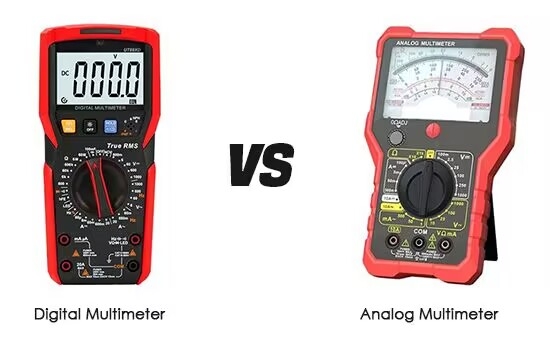
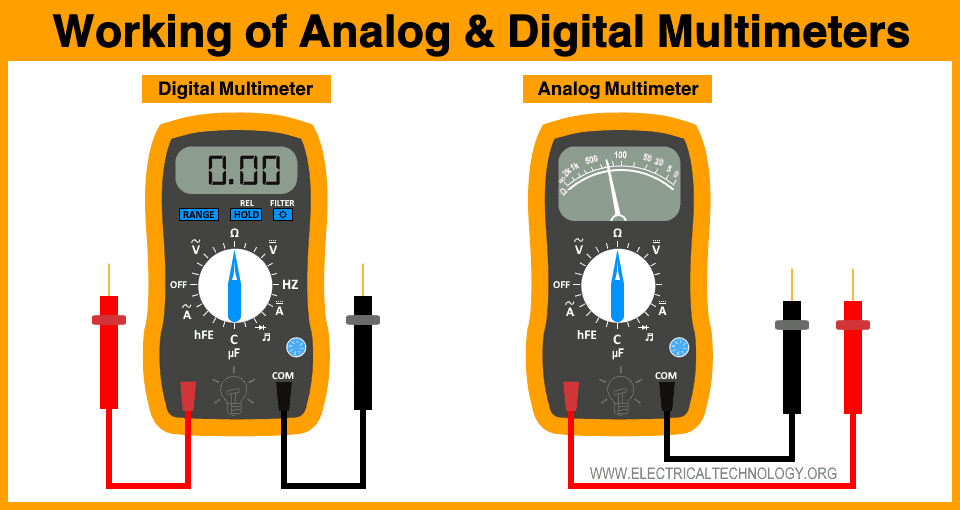
A digital multimeter vs analog multimeter compares two ways to measure voltage, current, and resistance. A digital multimeter shows numeric values on an LCD or LED. An analog multimeter uses a needle and scale to show a moving measurement. Both serve the same purpose but do so in different ways that affect accuracy, speed, and user experience.
Key differences between digital multimeter vs analog multimeter
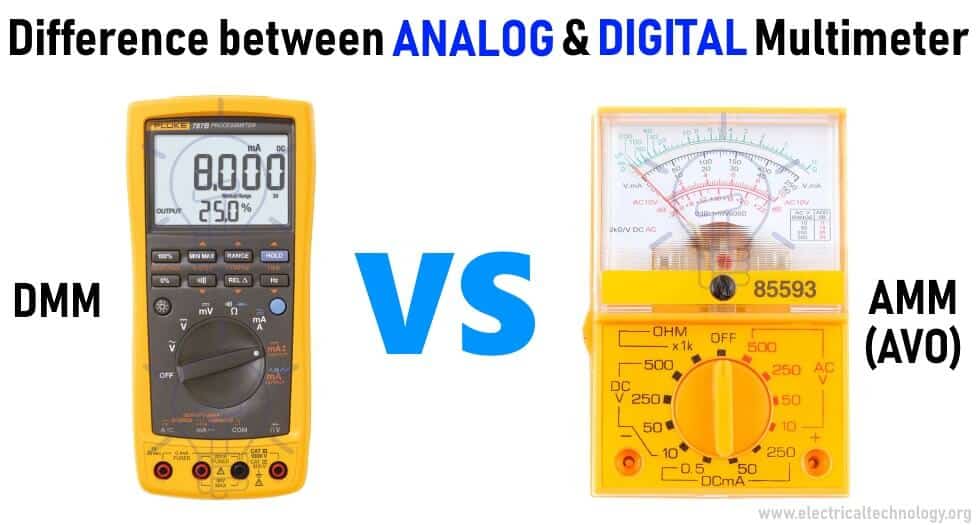
- Display and readout: Digital meters show precise numbers. Analog meters show a needle position on a scale and make it easier to see trends.
- Accuracy and resolution: Digital multimeters usually offer higher resolution and exact digits. Analog meters give approximate values and are limited by scale granularity.
- Response behavior: Analog meters display quick motion, which helps track changing signals. Digital meters sample and update, sometimes missing very fast swings.
- Durability and ruggedness: Basic analog meters are simple and robust. Many digital meters are rugged too, but complex electronics can be more sensitive to rough handling.
- Features and functions: Digital multimeters often include features like auto-range, capacitance, frequency, diode test, and data hold. Analog meters focus on core measurements with fewer extras.

Detailed comparison: accuracy, range, and features
Accuracy
- Digital multimeters commonly specify accuracy as a percentage plus counts. They deliver reliable, repeatable numbers.
- Analog meters’ accuracy depends on the user reading the needle and on parallax error, so results vary more.
Range and resolution
- Digital meters give multirange display and high resolution, letting you read small changes. They often auto-range for convenience.
- Analog meters require manual range switching and have limited resolution set by the scale.
Speed and observation
- Analog needle movement helps spot trends, spikes, and slow drifts at a glance.
- Digital meters show numbers only; some models include max/min or graphing to mimic trend visibility.
Safety and protection
- Modern digital multimeters include input protection, fuses, and CAT ratings for safe use on higher-energy circuits.
- Older analog meters may lack robust protection; using them on high-energy circuits can be risky.
Usability and learning curve
- Digital meters are beginner-friendly: auto-range and clear readouts cut the learning curve.
- Analog meters teach fundamentals. Reading scales and interpreting needle behavior build intuition.

Use cases: when to pick digital multimeter vs analog multimeter
- For precise diagnostics and measurements, choose a digital multimeter vs analog multimeter. Digital wins for exact voltage and resistance checks.
- For observing changing signals, needle behavior, or when you need a fast visual response, choose an analog meter.
- For hobbyists, field techs, and bench testing, a digital multimeter is often the best single tool.
- For vintage equipment alignment and audio work where needle movement is useful, an analog meter can be valuable.
How to choose a digital multimeter vs analog multimeter: buying guide
- Define your main use: troubleshooting, lab work, automotive, or HVAC. Your tasks guide the choice.
- Check safety ratings: look for CAT II, CAT III, or CAT IV depending on the environments you’ll work in.
- Look at features: auto-range, true RMS, capacitance, frequency, and data logging matter for advanced work.
- Compare accuracy and resolution: choose a digital multimeter with suitable accuracy specs for your needs.
- Consider budget and reliability: good digital meters start at a moderate price. Vintage or specialty analog meters can be more expensive.
Practical tips for using and maintaining meters
- Calibrate when needed: digital meters drift; periodic calibration keeps readings reliable.
- Use proper fuses and test leads: cheap leads or blown fuses reduce safety and accuracy.
- Start on a higher range: when unsure, pick a higher range to avoid damaging the meter.
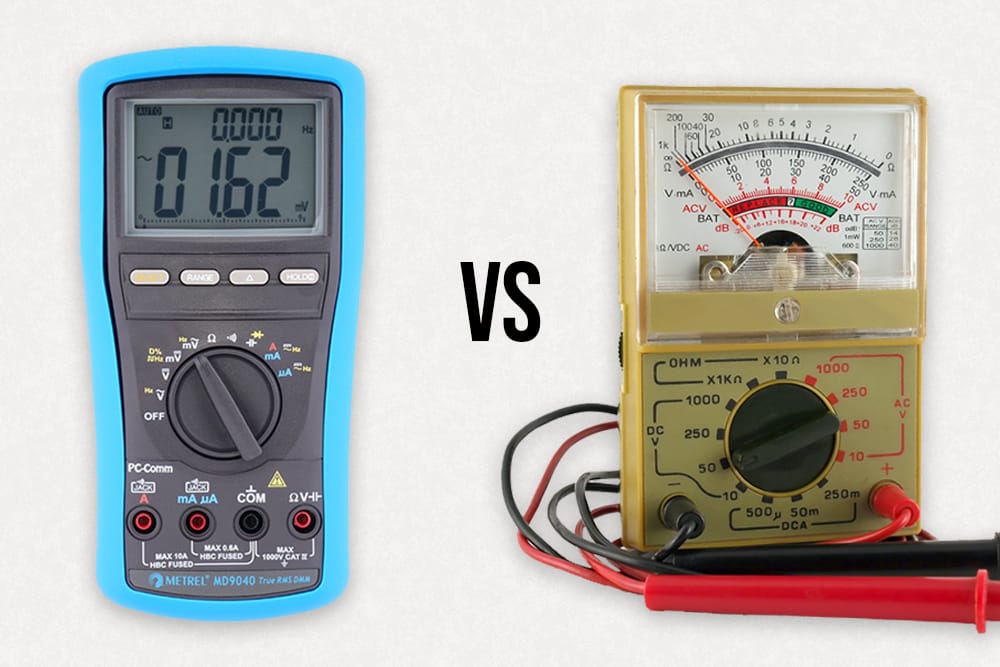
- Watch for parallax with analog meters: view the needle straight on to reduce reading error.
- Replace batteries and store dry: both meter types last longer when kept clean and dry.

Personal experience with digital multimeter vs analog multimeter
I began with an analog meter in a college electronics lab. The needle taught me how signals behave. Later, I switched to digital multimeter models for repairs and precision checks. Once, an analog needle revealed a slowly rising fault that a slow-sample digital meter missed; another time a digital meter’s true RMS feature saved time diagnosing noisy power lines. Those experiences taught me to keep both tools when possible and to choose based on the task.

Common quick questions
How accurate is a typical digital multimeter?
A typical midrange digital multimeter is accurate to about 0.5% to 1% for voltage. High-end meters can reach 0.01% to 0.1% accuracy.
Can analog meters measure AC and DC?
Yes. Analog meters can measure AC and DC with appropriate ranges and internal circuitry, but accuracy on AC is limited compared to true RMS digital meters.
Is a digital multimeter safer than an analog meter?
Digital multimeters with proper CAT safety ratings and fuses generally offer better protection for high-energy circuits. Always check the meter’s safety rating.
Do digital multimeters need calibration?
Yes. Digital meters should be calibrated periodically, especially for professional or lab use, to maintain accuracy.
Which meter is better for beginners?
A digital multimeter is typically better for beginners due to easy-to-read displays and auto-ranging features.
Frequently Asked Questions of digital multimeter vs analog multimeter
What are the main advantages of a digital multimeter?
Digital multimeters give precise numeric readings, more functions, and often better safety features. They are easier to read and reduce user error.
Why would someone still use an analog multimeter?
Analog meters show real-time needle movement, which helps spot trends and fluctuating signals. They are simple and can be more rugged in some cases.
Can a digital multimeter show trends like an analog meter?
Many modern digital meters include min/max, graphing, or PC-logging to show trends. Yet the instant visual sweep of a needle is still unique to analog meters.
How do accuracy and resolution differ between the two?
Digital meters offer higher resolution and defined accuracy specs. Analog meters have coarser resolution and more user-dependent accuracy.
Are analog multimeters better for audio work?
Analog meters can be helpful in audio work for visualizing slow changes and balancing signals, but high-quality digital meters with good sampling also work well.
How often should I calibrate my multimeter?
For professional use, annual calibration is common. Hobbyists can extend intervals but should calibrate if readings seem off.
Is a true RMS digital multimeter necessary?
If you measure non-sinusoidal or noisy AC signals, true RMS is important for accurate readings. For pure sine waves, a standard meter may suffice.
What safety features should I look for in a multimeter?
Look for proper CAT safety ratings, input protection, fused current inputs, and robust insulation. These reduce risk on high-voltage or industrial circuits.
Conclusion
Choosing between a digital multimeter vs analog multimeter depends on your needs. Digital meters serve precision, convenience, and advanced features. Analog meters offer fast visual cues and simplicity. If you can, keep both: use digital tools for exact numbers and analog tools for trend spotting. Start by listing your tasks, check safety ratings, and pick a meter that fits your budget and work. Try different models, practice safe techniques, and leave a comment about your experiences or questions.