Corded drills give steady power; hammer drills add percussive blows for masonry and concrete.
I have spent years using both corded and hammer drills on job sites and in my garage. This guide on corded drill vs hammer drill breaks down how each tool works, where each shines, and how to pick the right drill for your next project. Expect clear comparisons, real-world tips from my work, buying advice, and simple safety steps so you can make a confident choice.
What is a corded drill?
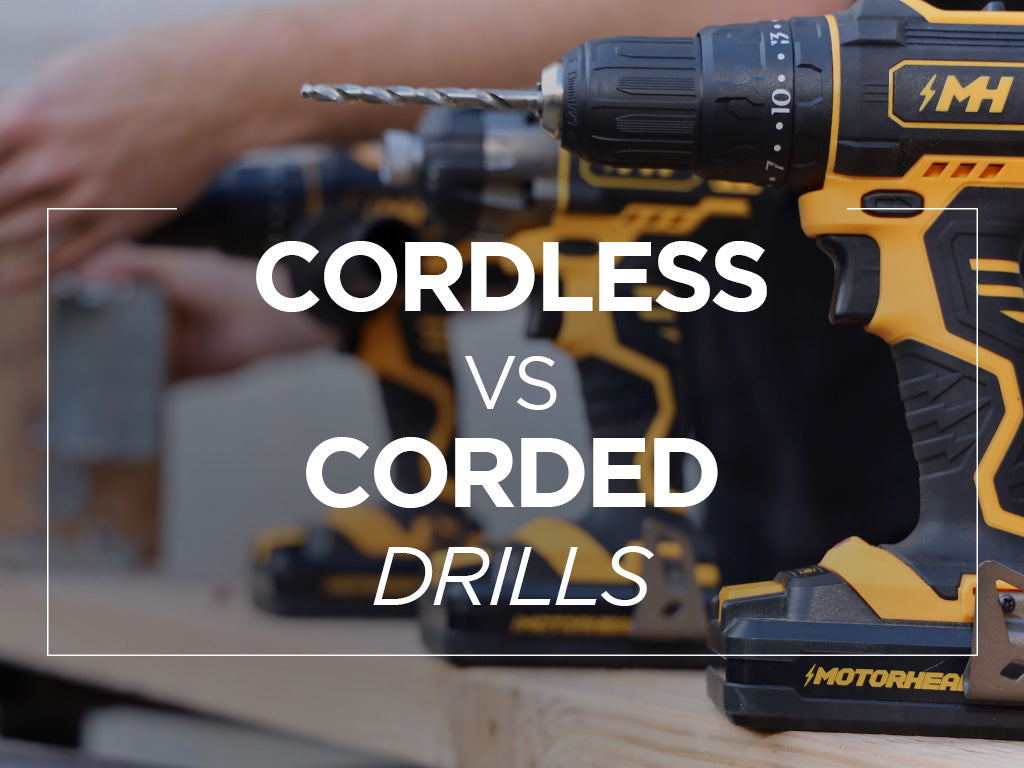
A corded drill is an electric drill that plugs into mains power. It delivers steady torque and continuous runtime, so you do not worry about battery life. Corded drills work well for drilling into wood, metal, and light masonry when high impact is not required. For many professionals, corded drill vs hammer drill choices start with power needs and runtime.
What is a hammer drill?
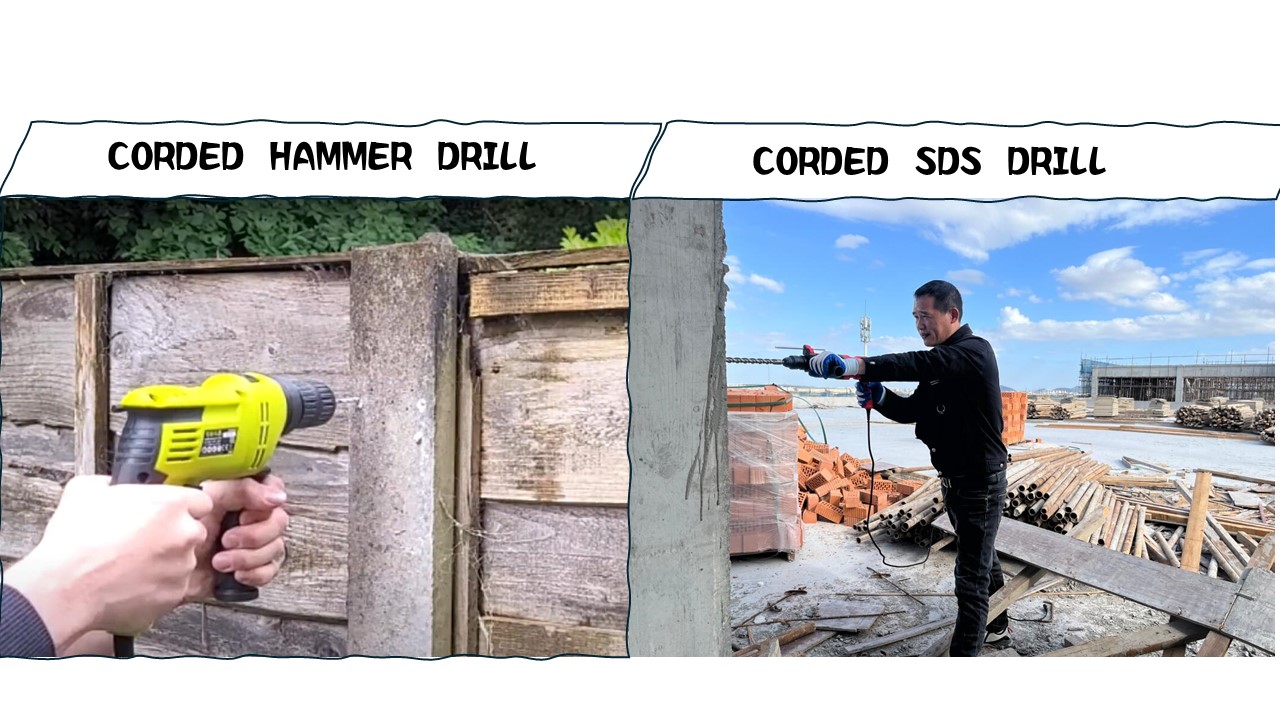
A hammer drill adds a percussion action to the rotary motion of a drill. The hammering helps break up masonry and concrete so the bit can cut through faster. Some hammer drills switch between regular drilling and hammer mode, and heavier versions use an internal piston for stronger impacts. When comparing corded drill vs hammer drill, the hammer function is the key differentiator for masonry work.
How they work: core mechanics and differences
Rotary action versus hammer action
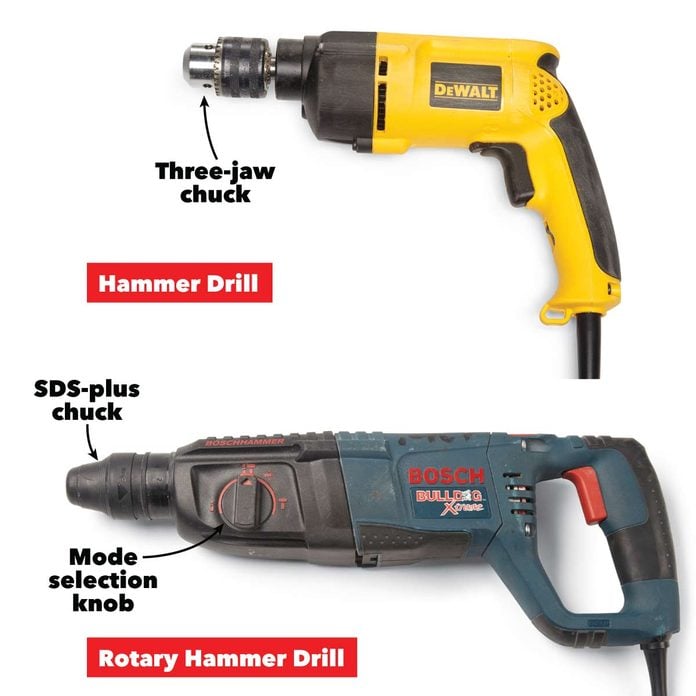
A corded drill relies on a motor that spins the chuck and bit at controlled speeds. A hammer drill pairs that rotation with a forward strike. The strike can come from a simple clutch or from a piston-drive mechanism in more powerful units.
Power source and delivery
A corded drill draws constant power from the mains and often delivers higher continuous torque than battery models. A hammer drill can be corded or cordless, but the hammering requires more energy. This means corded hammer drills often remain the choice for long, tough masonry jobs.
When you think about corded drill vs hammer drill, ask whether you need percussion to break masonry or steady rotation for clean holes.
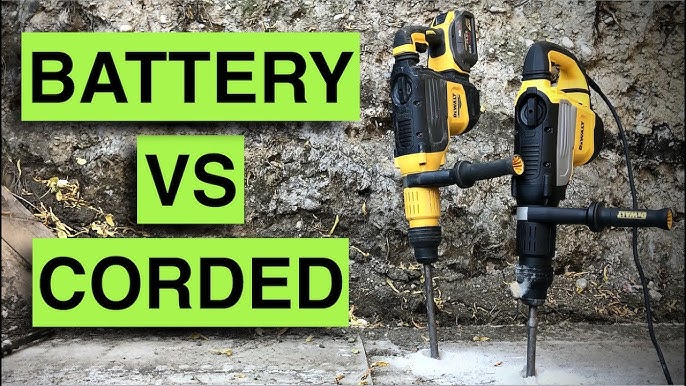
Performance comparison: speed, torque, and impact
- Power and torque
- Corded drills usually provide steady, high torque for long tasks. This makes them ideal for tough materials when you need constant power.
- Hammer drills deliver both torque and percussive force; their impact energy is measured in BPM (blows per minute) or joules depending on design.
- Speed and control
- Corded drills generally have smoother speed control and higher RPM for metal and wood drilling.
- Hammer mode can reduce speed but increases cutting in masonry.
- Accuracy and finish
- Corded drills give cleaner holes in wood and metal due to steady rotation.
- Hammer drilling tends to chip more around the hole in brittle materials like some tiles.
In the corded drill vs hammer drill debate, consider whether you value clean control or masonry-breaking force.
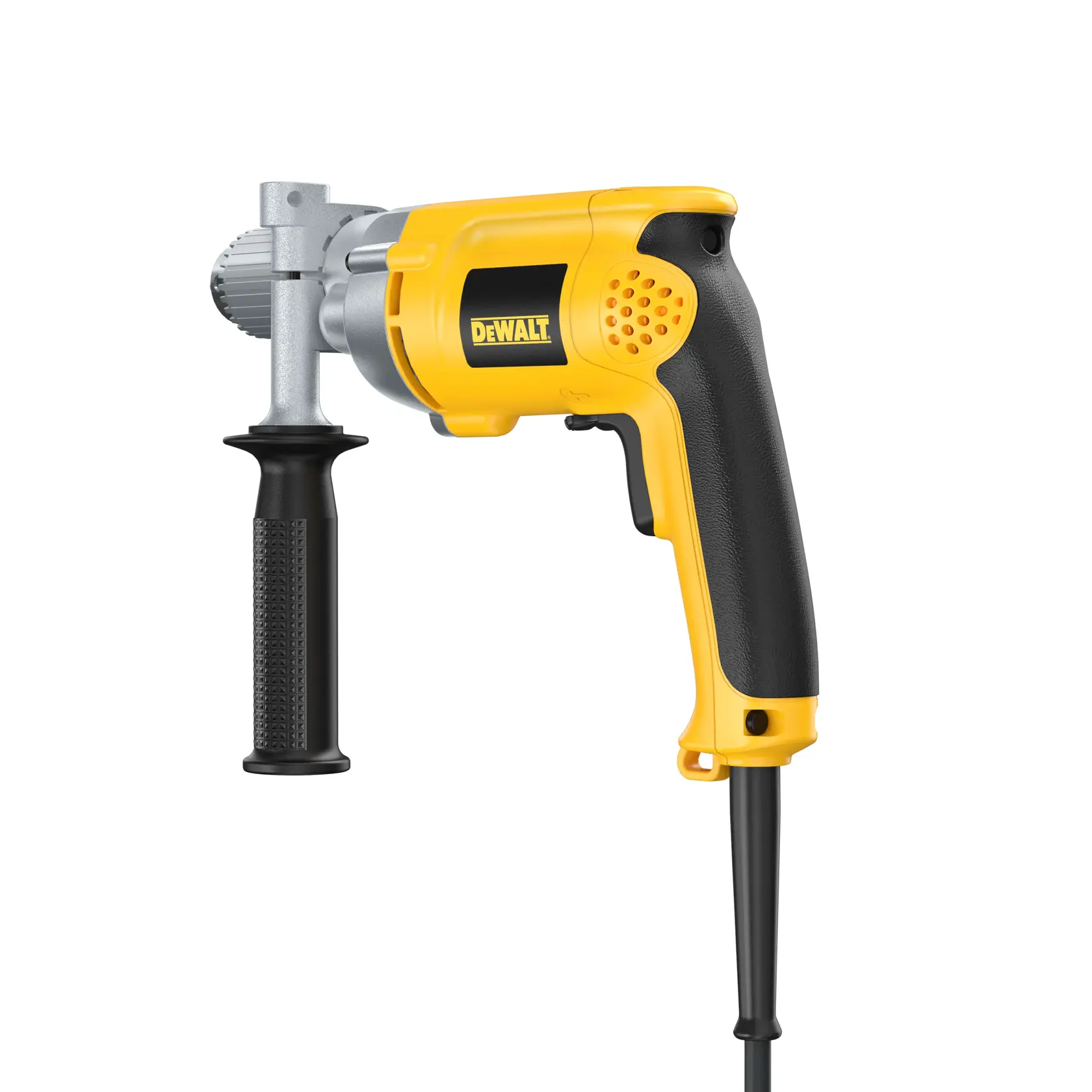
Pros and cons
Corded drill — pros
- Reliable continuous power for long jobs.
- Typically lighter than corded hammer models.
- Better for precise drilling in wood and metal.
Corded drill — cons
- Needs an outlet; cord can limit reach.
- Not ideal for heavy concrete unless paired with hammer mode.
Hammer drill — pros
- Effective on concrete, brick, and masonry.
- Some models switch between hammer and regular modes.
- Corded hammer drills provide long runtime for big jobs.
Hammer drill — cons
- More vibration and noise, harder to control for fine work.
- Heavier and may require more skill to use cleanly.
Comparing corded drill vs hammer drill comes down to trade-offs between steady power and impact capability.

Best uses and project recommendations
- Home repairs and furniture assembly
- Use a corded drill for steady, precise holes in wood and metal.
- Hanging shelves and light anchors
- Corded drill works for pilot holes; use hammer mode only if hitting masonry.
- Drilling into concrete, brick, or stone
- Choose a hammer drill, preferably corded for long jobs.
- Heavy construction and repeated masonry work
- Use a corded hammer drill or a rotary hammer for high-volume drilling.
- Occasional masonry around the house
- A combo drill with hammer switch gives flexibility.
When choosing corded drill vs hammer drill, match the tool to the material and task.

Buying guide: features to look for
- Power rating
- Look at watts for corded models and voltage for cordless units. Higher numbers mean more power.
- Chuck type and size
- Keyless chucks speed bit changes; 3/8-inch and 1/2-inch chucks suit different bit sizes.
- Hammer mode selector
- A switch between drill-only and hammer mode adds versatility.
- Ergonomics and weight
- Choose a design you can handle for long periods.
- Speed control and clutch
- Variable speed and adjustable clutch help prevent overdriving screws and damaging bits.
- Cord and plug quality
- A longer, durable cord improves reach and safety on job sites.
I recommend testing feel and balance in hand before buying. In my experience, a well-balanced corded hammer drill beats an awkward light drill every time.

Maintenance, safety, and accessories
- Regular checks
- Inspect the cord, switch, and chuck for wear. Replace damaged parts promptly.
- Bit care
- Use correct masonry bits when hammer drilling and replace worn bits for cleaner holes.
- Safety gear
- Wear eye protection, hearing protection, and gloves. Secure workpieces before drilling.
- Vibration and fatigue
- Take breaks on long jobs and use anti-vibration handles when available.
- Useful accessories
- Depth stops, side handles, SDS adapters, and dust extraction systems improve results and safety.
Good maintenance keeps either corded drill vs hammer drill performing well over years.

Personal experience and practical tips
I have used corded drills for finish carpentry and switched to hammer drills for masonry anchors. Early in my work, I tried hammer mode on tile and learned the hard way that the wrong bit and mode causes chipping. Key lessons I learned:
- Match the bit to the material; carbide masonry bits for concrete.
- Use pilot holes and the right clutch setting for screws.
- When drilling deep holes in concrete, pause and clear debris often.
These real-world tips save time and reduce damage when comparing corded drill vs hammer drill on mixed projects.
Common short questions (PAA-style)
Can a corded drill do masonry?
Yes, if it has a hammer mode it can handle light masonry. For heavy concrete, a dedicated hammer drill or rotary hammer is better.
Is hammer drill louder than a corded drill?
Generally yes; hammer action adds noise and vibration compared to regular corded drilling. Use hearing protection.
Do I need special bits for a hammer drill?
Yes. Use masonry or carbide-tipped bits for hammer drilling to avoid rapid wear and poor results.
Frequently Asked Questions of corded drill vs hammer drill
What is the main difference between a corded drill and a hammer drill?
A corded drill provides steady rotary power from mains electricity. A hammer drill adds percussive blows to the rotation for breaking masonry.
Which drill is better for concrete?
A hammer drill is better for concrete; for heavy work a rotary hammer is ideal. Corded hammer drills deliver long runtime and strong impacts.
Can I use a hammer drill for wood and metal?
Yes, many hammer drills switch to drill-only mode for wood and metal. Using the drill-only setting yields cleaner holes.
Are corded drills more powerful than cordless hammer drills?
Corded drills often offer continuous high torque compared to some cordless models. High-end cordless hammer drills can match power but may run out of battery.
How do I reduce chipping when hammer drilling tiles?
Use the drill-only mode for tiles or a light hammer setting and a masonry bit designed for tiles. Start slowly and support the tile from behind.
Conclusion
Choosing between a corded drill vs hammer drill depends on the materials you will drill and how long you need to run the tool. For steady, precise holes in wood and metal pick a corded drill. For concrete and masonry choose a hammer drill, and for heavy construction consider a rotary hammer. Use the buying tips, maintenance steps, and real-world lessons here to guide your selection. Try the recommended setups on scrap material, then decide—share your experience or ask a question below to get tailored advice.