Aviation snips are built for cleaner, easier cuts; tin snips are the simpler, older general-purpose option.
If you have ever tried cutting sheet metal and felt the tool fight back, you already know why this comparison matters. The difference between aviation snips vs tin snips is not just about name or price. It affects cut quality, hand fatigue, control, and how safely you can finish the job. I have used both on HVAC trim, flashing, and light-gauge sheet metal, and the right choice usually becomes obvious the moment the cut starts.
What Are Aviation Snips?
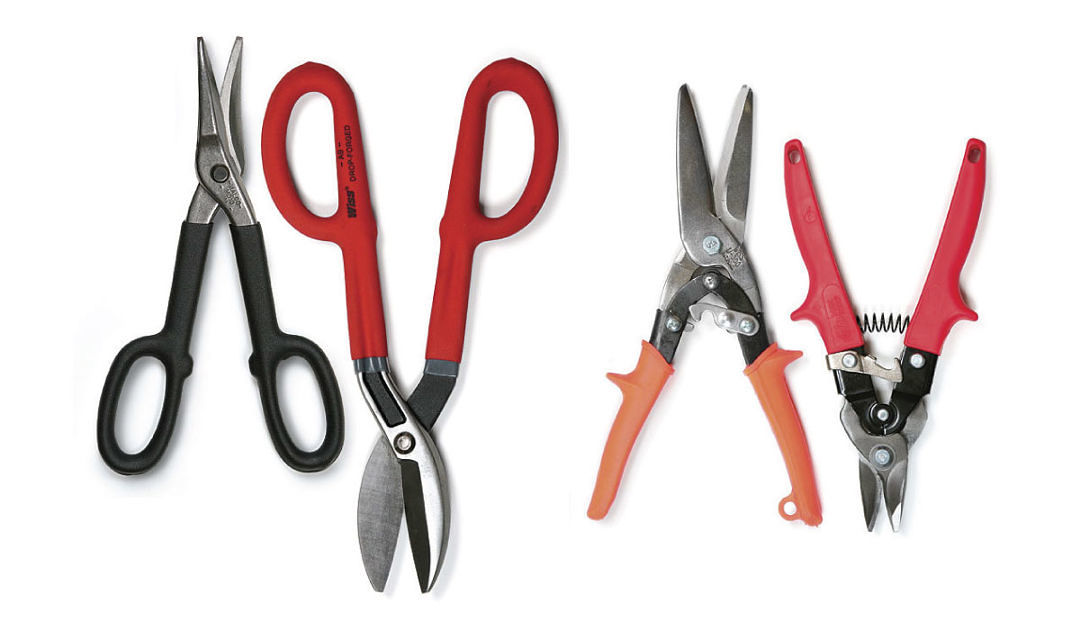
Aviation snips are hand tools made for cutting sheet metal with more control and less effort. They use compound leverage, which means the handles multiply the force from your hand and make cutting easier. That design is one big reason aviation snips vs tin snips is such a common comparison in metalwork, HVAC, roofing, and general repair.
Most aviation snips come in three main types:
- Left-cut snips for curves and cuts that turn left
- Right-cut snips for curves and cuts that turn right
- Straight-cut snips for straight lines or slight curves
The color coding is common too:
- Red handles often mean left-cut
- Green handles often mean right-cut
- Yellow handles often mean straight-cut
In daily use, aviation snips feel more modern and more precise. They are great when you need to keep the edge neat and your wrist relaxed. In my own work, I reach for aviation snips first when the job has tight corners or long cuts that need better control.
What Are Tin Snips?
Tin snips are the older, traditional hand shears used to cut thin metal. They are simple, strong, and very common in toolboxes. When people compare aviation snips vs tin snips, this is the tool many think of first because it has been around for so long.
Tin snips usually have straight blades and work well for basic cuts in thin sheet metal. They do not use the same compound action as aviation snips, so they often need more hand force. That makes them fine for small jobs, but less comfortable when the work gets bigger.
They are still useful for:
- Light sheet metal
- Minor trim work
- Basic repairs
- Quick cuts where precision is not the top concern
I have found tin snips to be perfectly fine for simple jobs, especially when I only needed one or two short cuts. But for long work sessions, my hands usually preferred aviation snips.
Aviation Snips vs Tin Snips: The Main Difference
The biggest difference in aviation snips vs tin snips is how they cut. Aviation snips use compound leverage, while tin snips use a more direct cutting action. That one design change affects comfort, speed, and control.
Here is the practical breakdown:
- Aviation snips need less hand strength
- Tin snips are simpler but can feel harder on the hands
- Aviation snips handle curves and detailed cuts better
- Tin snips are better for basic, straight trimming
- Aviation snips often leave cleaner edges with less effort
If I had to explain it in plain terms, aviation snips are like a power-assisted version of tin snips. Tin snips still work, but aviation snips make the job smoother. For most users, that is the deciding factor in aviation snips vs tin snips.
Cutting Performance: Which Tool Cuts Better?
When it comes to cutting performance, aviation snips usually win. They are designed to slice through thin sheet metal with better control and less distortion. That matters when you are working with galvanized steel, aluminum flashing, or HVAC duct material.
Tin snips can still cut well, but they are more likely to:
- Tire your hands faster
- Leave rougher edges
- Slip more on longer cuts
- Struggle more with curves
Aviation snips are especially helpful when the cut needs to stay accurate. I have used them on trim pieces where even a small wobble would show after installation. In those cases, aviation snips vs tin snips was not even close. The aviation snips gave me a neater line and less cleanup.
Comfort and Hand Fatigue
Comfort is one of the most overlooked parts of aviation snips vs tin snips. A tool can be technically capable, but if it wears out your grip fast, it slows the whole job. This is where aviation snips stand out.
Because they use compound leverage, aviation snips reduce the strain on your hands and wrists. That makes a big difference during long sessions or repetitive cuts. Tin snips can still work, but they often demand more squeeze force.
From experience, this matters most when:
- Cutting several pieces in a row
- Working overhead
- Handling thicker sheet metal within the tool’s range
- Doing detail cuts that take time
If you have ever finished a cut and felt your hand cramp up, you already know why comfort should matter. The right snips can feel like a small upgrade at first, then a huge one by the end of the day.
Precision and Control
Aviation snips usually offer better precision. Their design helps guide the blades through the metal with less drift. That makes them a better fit for curves, circles, notches, and tight corner work.
Tin snips are more basic, so the user has to do more of the steering. That is fine for simple straight cuts, but it gets harder on detailed work. If you are trimming ducting or shaping flashing around a roof edge, aviation snips often give you the cleaner result.
A helpful rule of thumb:
- Choose aviation snips for accuracy and shape control
- Choose tin snips for simple cuts and quick trimming
I learned this the hard way on a small sheet metal repair job years ago. I started with tin snips because they were on top of the box, and the cut wandered just enough to make fitting the piece annoying. After switching to aviation snips, the same type of cut became much easier to control.
Types of Jobs Each Tool Handles Best
The aviation snips vs tin snips debate often depends on the task, not just the tool.
Aviation snips are best for:
- HVAC ductwork
- Roof flashing
- Aluminum sheet
- Galvanized steel
- Curved cuts
- Precision trim work
Tin snips are best for:
- Light-duty sheet metal cuts
- Small repairs
- Simple straight trimming
- Occasional use
- Basic shop tasks
If you work on metal often, aviation snips are usually the smarter buy. If you only cut thin metal once in a while, tin snips may be enough. The best tool is the one that matches the job without making it harder than it needs to be.
Material Thickness and Tool Limits
No matter which side of aviation snips vs tin snips you choose, both tools have limits. They are not meant for thick steel or heavy structural metal. Most are designed for thin-gauge sheet metal, and pushing beyond that can damage the blades or strain your hands.
Always check the tool rating for material type and gauge. A general example:
- Aluminum is usually easier to cut
- Mild steel is tougher
- Stainless steel may be too hard for many hand snips
The safer approach is to let the tool do what it was made to do. Forcing a cut can bend the blades, make jagged edges, or even cause the metal to twist unexpectedly. I have seen people try to “muscle through” a cut and end up spending more time fixing the damage than making the cut.
Safety Tips for Using Aviation Snips and Tin Snips
Safety matters just as much as the aviation snips vs tin snips choice. Sheet metal edges can be razor sharp, and offcuts can spring in odd directions.
Keep these habits in mind:
- Wear cut-resistant gloves
- Use eye protection
- Cut away from your body
- Keep the metal stable before cutting
- Store snips closed or locked if the model has a latch
Sharp edges are no joke. Even a small slip can leave a deep cut. I always tell people to respect the offcut, not just the tool. A clean cut is good, but a safe cut is better.
How to Choose Between Aviation Snips vs Tin Snips
Picking between aviation snips vs tin snips gets easier when you think about use case, comfort, and budget.
Choose aviation snips if you want:
- Less hand fatigue
- Better control
- Cleaner curves
- Better performance on repeated cuts
- A tool that feels easier to use
Choose tin snips if you want:
- A simple, low-cost tool
- Basic cutting for light tasks
- Something for occasional use
- Straightforward handling without extra features
If I were buying one tool for most sheet metal tasks, I would pick aviation snips first. If I only needed a backup for light use, tin snips could still make sense. The key is matching the tool to the work instead of buying based on the label alone.
Maintenance and Blade Care
Good maintenance can make either tool last longer. Dull blades make cutting harder and can crush the metal instead of slicing it. That is true in aviation snips vs tin snips, and it is one reason many users think a tool has “gone bad” when it only needs care.
Simple care tips:
- Wipe blades clean after use
- Keep them dry to avoid rust
- Do not cut material beyond the rated thickness
- Lubricate the pivot if the tool feels stiff
- Store them closed to protect the edges
A snip that cuts cleanly is safer and easier to control. If the tool starts binding or nicking the edge, inspect it before the next job. Small maintenance now saves frustration later.
Cost and Value
Price is another reason aviation snips vs tin snips comes up so often. Tin snips are usually cheaper, which makes them attractive for casual users. Aviation snips cost more, but the extra comfort and control often justify the price.
Think of value like this:
- Tin snips give you basic function at a lower cost
- Aviation snips give you better usability and less fatigue
- Higher-quality aviation snips often last longer with regular use
If you use snips often, the higher upfront cost of aviation snips can pay off fast. Your hands, your time, and your finished work may all benefit. For a one-time project, tin snips may be the more practical choice.
Expert Insight: What I Tell People in the Field
In real use, aviation snips vs tin snips is usually decided by one question: how much cutting are you doing? If the answer is “a lot,” aviation snips are the clear favorite. If the answer is “just a little,” tin snips can still do the job.
My biggest mistake early on was treating all snips like they were equal. They are not. I learned that the hard way when a long cut turned into sore hands and a messy edge. Since then, I tell people to think about comfort, cut direction, and metal type before they buy.
A simple field rule:
- For work you do often, buy better snips
- For rare jobs, keep a basic pair handy
- For detailed cuts, choose aviation snips first
Frequently Asked Questions of aviation snips vs tin snips
Are aviation snips better than tin snips?
For most users, yes. Aviation snips usually cut easier, give better control, and reduce hand fatigue. Tin snips are still useful, but aviation snips are often the better choice for regular sheet metal work.
Can tin snips cut thicker metal than aviation snips?
Not usually. Both tools are meant for thin sheet metal, and the exact thickness depends on the model and material. Always check the manufacturer rating before cutting.
Why are aviation snips called aviation snips?
The name comes from their use in aircraft sheet metal work, where precision and control matter a lot. The term stuck because the tool became common in many other trades too.
Which snips are best for curves?
Aviation snips are better for curves. Left-cut and right-cut models are made to help you turn the cut cleanly without fighting the metal too much.
Do aviation snips last longer than tin snips?
They can, especially if they are good quality and used within their limits. Blade life depends on the material you cut, how hard you use the tool, and how well you maintain it.
Conclusion
When you compare aviation snips vs tin snips, the main difference is simple: aviation snips give you better control, easier cutting, and less hand strain, while tin snips offer a basic, budget-friendly option for lighter work. For frequent use, detailed cuts, or long sessions, aviation snips are usually the smarter pick. For occasional, simple trimming, tin snips can still do the job well.
The best decision comes down to your project, your hands, and how often you plan to use the tool. Choose the pair that makes your work cleaner and safer, and you will feel the difference right away. If you want, explore more tool guides, compare specific snip brands, or leave a comment with the type of metal work you do most often.