Adjustable wrench offers versatility; combination wrench delivers stronger, more precise fits for common fasteners.
I’ve used both tools for years and helped pros choose the right one for each job. This article breaks down adjustable wrench vs combination wrench clearly. You’ll get definitions, real-world uses, pros and cons, maintenance tips, and practical buying advice. Read on to learn which tool to reach for next time you’re under the sink, in the garage, or on a job site.
:max_bytes(150000):strip_icc()/types-of-wrenches-6831283-V1-18ad13e48b3a47eebdcf471e0d139844.jpg)
Understanding the tools: adjustable wrench vs combination wrench
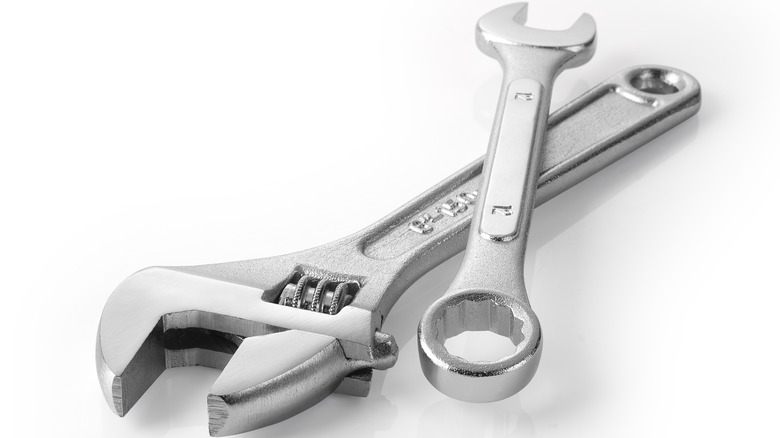
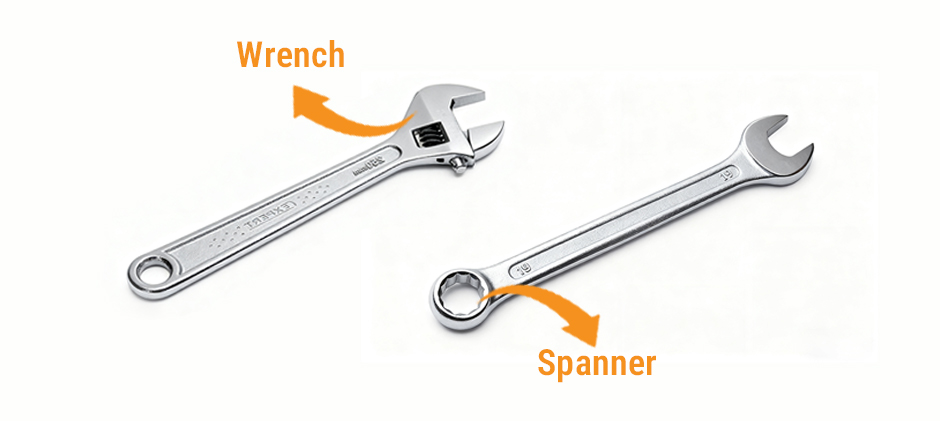
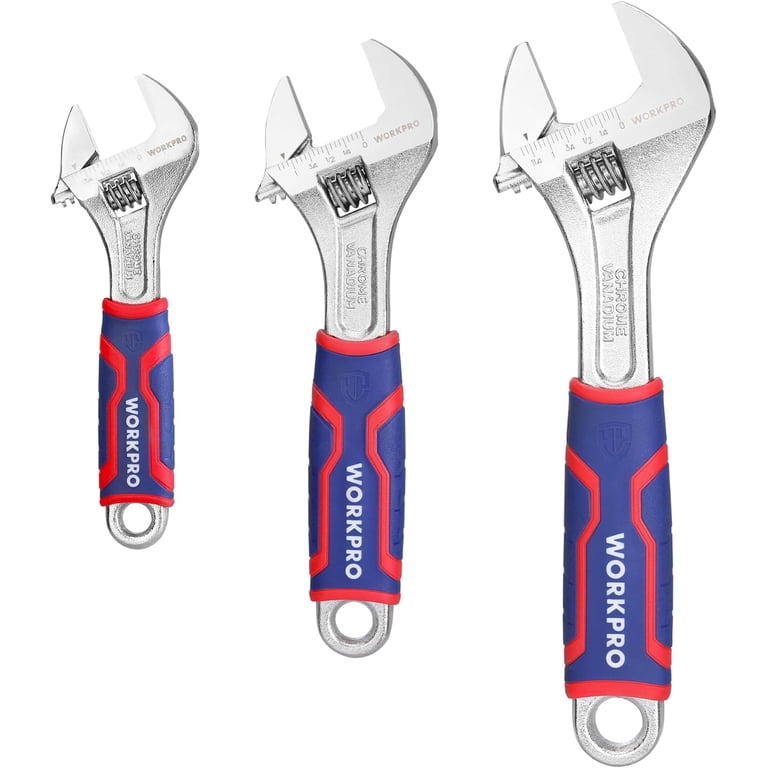
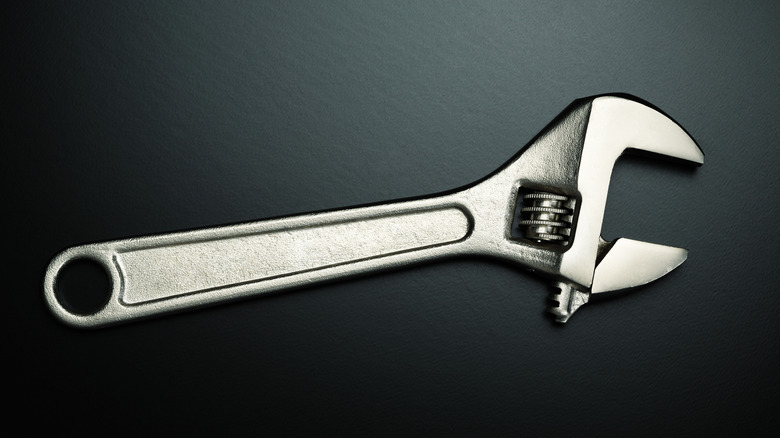
An adjustable wrench has a movable jaw. You turn a worm gear to change the opening. It fits multiple fastener sizes.
A combination wrench is a fixed-size tool. One end is an open jaw. The other is a box end for a snug fit. It matches a single bolt or nut size precisely.
Why compare them? The trade-off is simple. Adjustable wrenches offer flexibility. Combination wrenches offer strength and repeatability. If you want one tool for many sizes, pick adjustable wrench vs combination wrench for versatility. If you want precision and torque, lean toward combination wrench.
Design and mechanics
Adjustable wrench mechanics
- Movable jaw lets you fit many sizes.
- Worm gear can wear if dirt or heavy force is used.
- Wider jaw faces mean less pressure per contact area.
Combination wrench mechanics
- Fixed jaw geometry gives exact contact points.
- Box end spreads load across multiple faces for better torque.
- Thin profile fits tight spaces where adjustable tools may not.
I’ve seen adjustable wrench jaws slip when not set tightly. That taught me to always snug the worm gear and align the jaw properly. That simple habit reduces rounding of bolts and helps avoid injury.
Materials, sizes, and build quality
Common materials
- Chrome-vanadium steel for strength and corrosion resistance.
- Carbon steel with protective coatings in budget tools.
- Heat-treated steel in professional-grade wrenches.
Size options
- Adjustable wrenches come in 4-inch to 24-inch lengths.
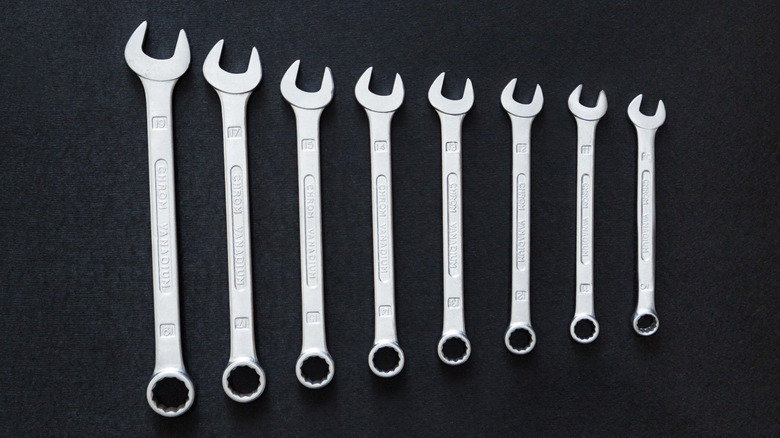
- Combination wrenches are sized to bolt heads (metric or SAE) and sold in sets.
Quality indicators
- Smooth worm gear action on adjustable wrench vs combination wrench signals good manufacturing.
- Properly machined box ends and stamped size marks help with selection and durability.
Performance: torque, grip, and precision
Torque and grip
- Combination wrenches transfer torque more efficiently. The box end grips six or twelve points and resists rounding.
- Adjustable wrench offers less predictable torque because jaw fit can vary across sizes.
Precision and repeatability
- Combination wrench gives consistent, repeatable results.
- Adjustable wrench is precise enough for many tasks but needs proper adjustment.
Real-life note: I once stripped a bedside table bolt with an adjustable wrench by forcing it too hard. Switching to the correct-size combination wrench fixed the problem fast. That taught me to use the right tool rather than muscle.
Use cases and scenarios
When to use an adjustable wrench
- Quick repairs where you lack the exact size.
- Plumbing jobs with odd-size fittings.
- Lightweight tasks where portability matters.
When to use a combination wrench
- Automotive work requiring high torque and tight clearances.
- Assembly tasks needing exact sizes and repeatability.
- Situations where fastener damage must be avoided.
Trade-offs are clear in many shops. I keep one quality adjustable wrench and a set of combination wrenches. That combo solves 90 percent of my jobs. The adjustable wrench vs combination wrench choice is often about speed versus control.
Pros and cons comparison
Adjustable wrench pros
- Versatile across multiple sizes.
- Compact toolkit footprint.
- Good for on-the-fly fixes.
Adjustable wrench cons
- Less torque control than fixed wrenches.
- Potential jaw slippage or rounding if misused.
- Worm gear can wear over time.
Combination wrench pros
- Stronger grip and better torque transfer.
- Lower risk of rounding bolts.
- Slim profile fits tight spots.
Combination wrench cons
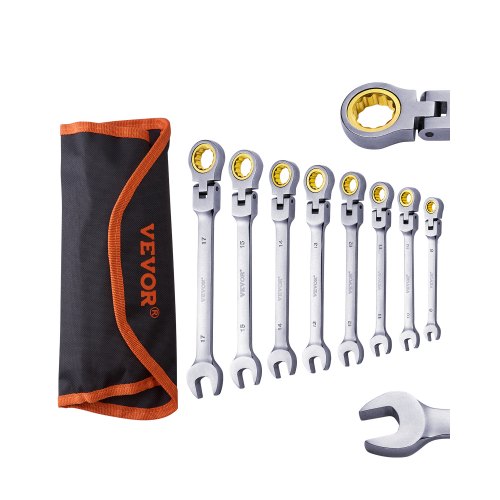
- Need a full set to cover sizes.
- More tools to carry and store.
- Slightly slower when switching sizes on the job.
This direct comparison shows why adjustable wrench vs combination wrench is not a winner-take-all debate. They serve different needs.
How to choose between adjustable wrench vs combination wrench
Assess typical tasks
- If you work on varied fastener sizes daily, favor adjustable wrench.
- If you do precision or heavy-torque work, pick a combination wrench set.
Budget and frequency
- Buy one quality adjustable wrench over multiple cheap ones.
- Invest in a well-made combination wrench set if you work professionally.
Practical tips
- Carry one adjustable wrench and a small set of commonly used combination wrenches.
- Match wrench size to bolt size rather than forcing a near fit.
- Replace worn adjustable jaws to avoid damage.
From experience, the best choice is often both. Keep a reliable adjustable wrench and a small set of combination wrenches for common sizes. This balance covers emergency fixes and precision tasks.
Maintenance and safety
Care for adjustable wrench
- Clean the worm gear after use to prevent grit buildup.
- Lubricate the screw occasionally for smooth action.
- Check jaw alignment and replace if worn.
Care for combination wrench
- Wipe to remove grime and prevent corrosion.
- Inspect box ends for rounding or wear.
- Store in racks to avoid bending or misplacement.
Safety tips
- Pull the wrench toward you when possible to avoid slips.
- Use proper hand protection for greasy jobs.
- Never use an adjustable wrench as a hammer or pry bar.
I once saw a colleague over-torque a nut with an adjustable wrench and hurt a thumb. Since then I always wear gloves and choose the more secure tool for high torque.
Frequently Asked Questions of adjustable wrench vs combination wrench
What is the main difference between an adjustable wrench and a combination wrench?
The adjustable wrench has a movable jaw to fit multiple sizes, while the combination wrench is fixed-size with an open and a box end. Combination wrenches give a tighter grip and better torque control.
Can an adjustable wrench replace a combination wrench?
It can replace a combination wrench in some tasks, but it often lacks the torque control and precision required for heavy-duty or precision work. Use the combination wrench for repeatable, high-torque jobs.
Which wrench is better for automotive work?
Combination wrenches are generally better for automotive work because they provide secure box-end grip and handle high torque. Use adjustable wrench for quick adjustments or when you lack the exact size.
How should I size an adjustable wrench for a bolt?
Set the jaw so it fits snugly on the bolt with minimal play and position the fixed jaw on the force side to reduce slippage. Tighten the worm gear until the fit is firm before applying torque.
Are combination wrench sets worth the investment?
Yes, a good combination wrench set is worth it for professionals and serious DIYers because it improves speed, reduces damage to fasteners, and covers standard sizes efficiently. Quality sets last years with proper care.
Conclusion
Choosing between adjustable wrench vs combination wrench comes down to use, torque needs, and convenience. Adjustable wrenches win for flexibility. Combination wrenches win for strength, precision, and repeatability. My practical tip: own one reliable adjustable wrench and a small matched set of combination wrenches to cover most jobs effectively. Try this simple kit strategy on your next project and notice how often you avoid stripped bolts and wasted time. Leave a comment with your go-to wrench combo or subscribe for more hands-on tool guides.