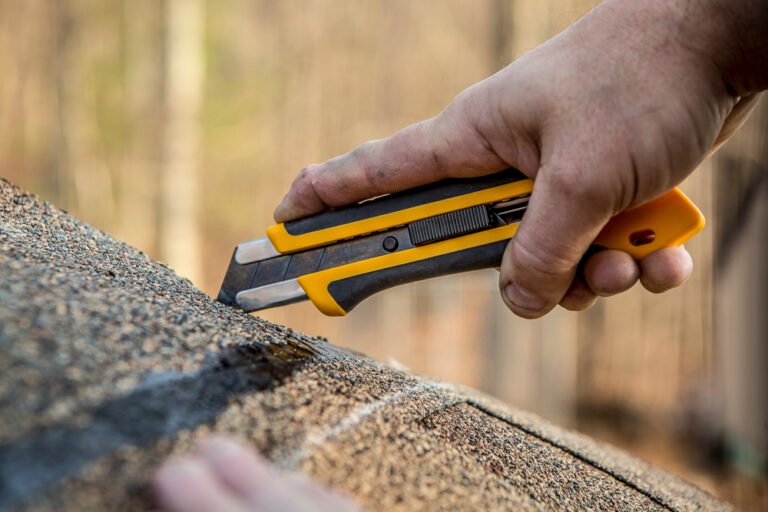
A duct crimper reshapes pipe ends; a duct seamer locks sheet metal joints tight.
If you work with HVAC ductwork, these two tools may seem similar at first glance, but they solve different problems. Understanding the duct crimper vs duct seamer choice can save time, improve airflow, and keep your joints cleaner and stronger. I’ve seen a lot of jobs go smoother once the right tool was picked from the start, and that is exactly what this guide will help you do.
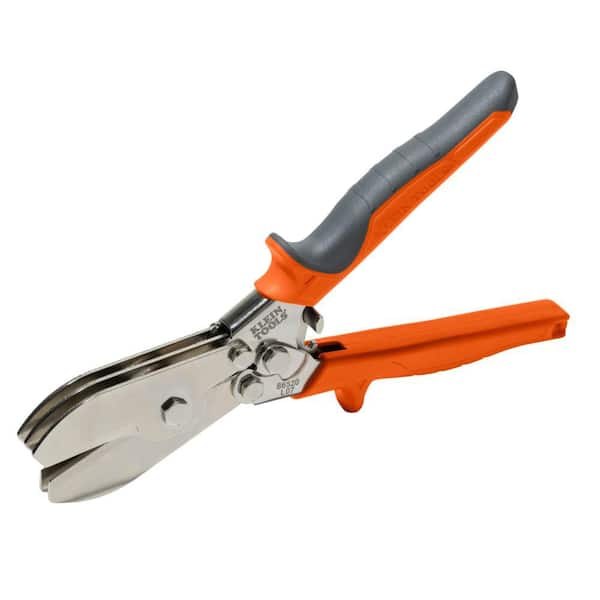
What a Duct Crimper Does
A duct crimper is used to reduce the diameter of a round duct end. It makes one end slightly smaller so another piece can slide over it. In plain terms, it creates a “male” end for a slip connection.
This tool is common in sheet metal and HVAC work. It is especially useful when joining round galvanized duct, stove pipe, or vent pipe. The crimped end helps parts fit together without forcing them.
Here is why it matters:
- It creates overlap for stronger duct connections
- It makes assembly faster on round pipe runs
- It helps maintain a tighter fit at the joint
- It reduces the need for extra fitting work
In my own experience, a good crimper can turn a frustrating fit into a clean connection in seconds. I’ve also learned that over-crimping can distort the pipe, so light, even pressure is the safer move.
What a Duct Seamer Does
A duct seamer is used to close and flatten seams in sheet metal ductwork. It bends metal edges together so the joint is locked and tight. This is more about forming and securing a seam than changing the pipe size.
You will often see seamers used on rectangular duct, flat sheet metal pieces, and fabricated HVAC sections. They are handy when you need a neat seam that will hold shape and support airflow integrity. The tool is especially valuable when working with Pittsburgh seams, drive cleats, or other formed edges.
Common uses include:
- Closing sheet metal seams
- Tightening folded duct edges
- Helping create a secure mechanical joint
- Improving the shape and finish of fabricated duct parts
From a field standpoint, the seamer is the tool you reach for when the joint itself is the issue. If the metal edge is not seated right, no amount of force from a crimper will solve it.
Duct Crimper vs Duct Seamer: The Main Difference
The duct crimper vs duct seamer difference comes down to purpose.
A duct crimper changes the shape of the duct end so parts can overlap. A duct seamer fastens or closes a seam that has already been formed. One tool helps parts fit. The other helps parts stay locked together.
That is the simplest way to think about it:
- Duct crimper: used to size down one end of round duct
- Duct seamer: used to close, flatten, or secure a metal seam
- Duct crimper: more common for round pipe joints
- Duct seamer: more common for fabricated sheet metal work
I like to think of it like getting dressed. The crimper helps the pieces fit on, while the seamer helps button them up properly.
When to Use a Duct Crimper
Use a duct crimper when you need one duct end to slide into another. This is most common with round HVAC pipe and vent runs. It is a fast fix for connection prep.
A crimper is the right pick when:
- You are joining round pipe sections
- You need a slip-fit connection
- You are installing stove pipe or vent pipe
- You want to reduce the outside diameter at one end
One thing I have learned is that the crimper works best when the pipe is clean and supported. If the metal is already damaged or bent, the tool may create a messy edge instead of a smooth fit.
When to Use a Duct Seamer
Use a duct seamer when you need to lock a seam or flatten a folded edge. This tool is often part of sheet metal fabrication and HVAC assembly. It is not for reducing pipe size.
A seamer is the better choice when:
- You are closing a seam in rectangular duct
- You are bending and tightening sheet metal edges
- You need a neat mechanical seam
- You are finishing fabricated duct sections
In practice, the seamer helps improve both strength and appearance. I have found that a well-seamed joint feels more solid, especially on jobs where vibration or handling can loosen weak edges.
Types of Duct Crimpers and Duct Seamers
Not every crimper or seamer is built the same. Some are hand tools, while others are made for heavier shop use. Choosing the right one depends on duct size, metal thickness, and how often you use it.
Common Duct Crimper Types
- Manual crimper: Good for small jobs and light field work
- Multi-blade crimper: Creates more even sizing on round pipe
- Heavy-duty crimper: Better for thicker metal or frequent use
Common Duct Seamer Types
- Hand seamer: Great for sheet metal bends and seam closure
- Duckbill seamer: Useful for tight spaces and precise bends
- Straight seamer: Best for straight seam work and flat edges
For me, the best tool is the one that matches the work without fighting the material. A lightweight hand tool is great for small repairs, but large fabrication jobs often need something stronger and more stable.
How to Choose Between a Duct Crimper vs Duct Seamer
Choosing between a duct crimper vs duct seamer is easier once you know the job type. Start with the shape of the duct and the kind of connection you need.
Ask yourself these questions:
- Is the duct round or rectangular?
- Do I need to reduce the end size?
- Do I need to close a seam or fold metal?
- Am I working on installation or fabrication?
A duct crimper is for fit. A duct seamer is for closure. If the task is to make one pipe end slide into another, choose the crimper. If the task is to join or finish a seam, choose the seamer.
Benefits of Using the Right Tool
Using the right tool does more than save effort. It helps the work look better, last longer, and perform better. In HVAC, small mistakes at the joint can lead to leaks, loose seams, or wasted time later.
Here are the main benefits:
- Better joint fit and cleaner assembly
- Less risk of damaging the metal
- Faster installation and fabrication
- Improved seam strength
- Better airflow control in duct systems
I have seen projects where a rushed joint caused extra leak sealing later. A few seconds with the right tool can prevent an hour of rework.
Common Mistakes to Avoid
People often mix up the duct crimper vs duct seamer because both deal with metal joints. But using the wrong one can make the job harder.
Watch out for these mistakes:
- Using a crimper on a seam that needs flattening
- Over-crimping and warping the duct end
- Using a seamer on round pipe that needs sizing
- Forcing thin metal too hard and creating cracks
- Skipping test fits before final assembly
A simple dry fit can save a lot of pain. I have made the mistake of assuming two pieces would line up after one pass with the tool, and that usually leads to extra tweaking.
Practical Tips for Better Results
A few small habits can make a big difference when using either tool. These are the kinds of things that come from real jobsite use, not just tool specs.
Try these tips:
- Keep the metal edge clean before starting
- Use steady pressure instead of sudden force
- Test the fit often as you work
- Match the tool size to the duct size
- Wear gloves to protect your hands from sharp edges
If you are working with galvanized duct, remember that the coating can scratch during handling. A careful touch helps keep the joint clean and the finish intact.
HVAC Context: Why This Choice Matters
In HVAC work, joint quality affects more than appearance. It can influence leakage, noise, and installation speed. That is why the duct crimper vs duct seamer decision matters more than many beginners expect.
A poor fit can create air leaks. A weak seam can rattle or separate. Even if the system runs, it may not run as efficiently as it should.
That is why professionals care about:
- Tight mechanical joints
- Smooth transitions
- Lower leak risk
- Stronger fabricated sections
- Better system reliability
Industry guidance from HVAC and sheet metal practices consistently emphasizes proper joint formation and secure seams for durable duct systems. Good workmanship is not just about looks. It is about long-term performance.

Frequently Asked Questions of duct crimper vs duct seamer
What is the main difference between a duct crimper and a duct seamer?
A duct crimper reduces the end of round duct so it can fit into another section. A duct seamer closes and secures a metal seam, usually in sheet metal ductwork.
Can I use a duct crimper instead of a duct seamer?
No, not if the job is to close or lock a seam. A crimper changes pipe size, while a seamer forms or tightens the joint itself.
Is a duct seamer used on round duct?
Sometimes, but it is more common on rectangular duct and sheet metal edges. Round duct usually needs a crimper for slip-fit connections.
Which tool is better for HVAC beginners?
It depends on the task, but a duct crimper is usually easier to understand for round pipe assembly. A duct seamer takes a little more feel and is better suited to fabrication work.
Do I need both tools for ductwork?
If you work on a mix of round and rectangular duct, yes, both tools can be useful. Many HVAC techs keep both because they solve different problems on the job.
Conclusion
The duct crimper vs duct seamer debate becomes simple once you focus on the job in front of you. Use a crimper when you need to size down a round duct end for a slip connection. Use a seamer when you need to close, flatten, or secure a sheet metal seam.
The best results come from matching the tool to the task, using steady pressure, and checking the fit before moving on. If you are building HVAC systems or doing duct repair, that small bit of discipline pays off in stronger joints and less rework.
Take what you learned here and apply it on your next project. If you want better ductwork results, keep learning the basics, choose the right tool, and do the job with care.

Mick Thomas
Contributor