Pex crimp ring vs cinch clamp: Crimp rings are traditional and durable; cinch clamps are faster and adjustable.
I have spent years installing PEX lines in homes and on jobsites. I understand the small details that make a big difference when choosing between pex crimp ring vs cinch clamp. This article breaks down how each connection works, pros and cons, cost and code notes, installation steps, common mistakes, and real-world tips from my experience so you can pick the right option with confidence. Read on to get clear, practical guidance on pex crimp ring vs cinch clamp and avoid costly errors.

Overview of pex crimp ring vs cinch clamp
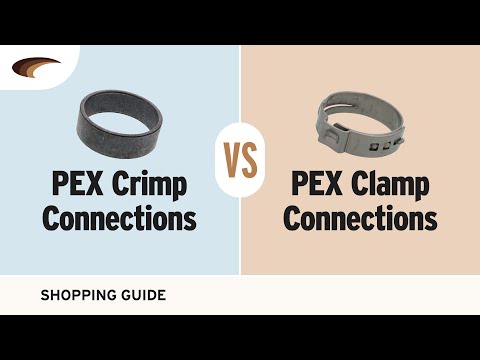
PEX pipe uses two common fittings: crimp rings and cinch clamps. Both attach PEX to barbed fittings. The core difference is the method: crimp rings compress a copper ring with a dedicated crimping tool, while cinch clamps use a stainless steel strap tightened with a simple tool. Choosing between pex crimp ring vs cinch clamp often comes down to local code, tool access, and installer preference.
Both methods create reliable seals when done right. Crimp rings have a long track record in plumbing. Cinch clamps gained popularity for their speed and ease. In this guide, I compare them across key areas to help you choose.

How pex crimp rings work
A crimp ring is a copper ring placed over PEX and the fitting. You slide the ring to the joint and compress it with a crimping tool so the ring squeezes tight. The crimp deforms the ring and compresses the PEX onto the barbed fitting, creating a seal.
Typical steps:
- Slide the ring onto the pipe.
- Push pipe onto the fitting until it seats fully.
- Position the ring 1/8 to 1/4 inch from the fitting shoulder.
- Use a ratcheting crimp tool to compress the ring until it clicks.
Crimp rings require a specific crimp tool and a go/no-go gauge to verify the crimp. Properly done crimps are strong and time-tested. My experience shows crimps work well on long runs and in tight spaces when you have the right tool.
How cinch clamps (pinch clamps) work
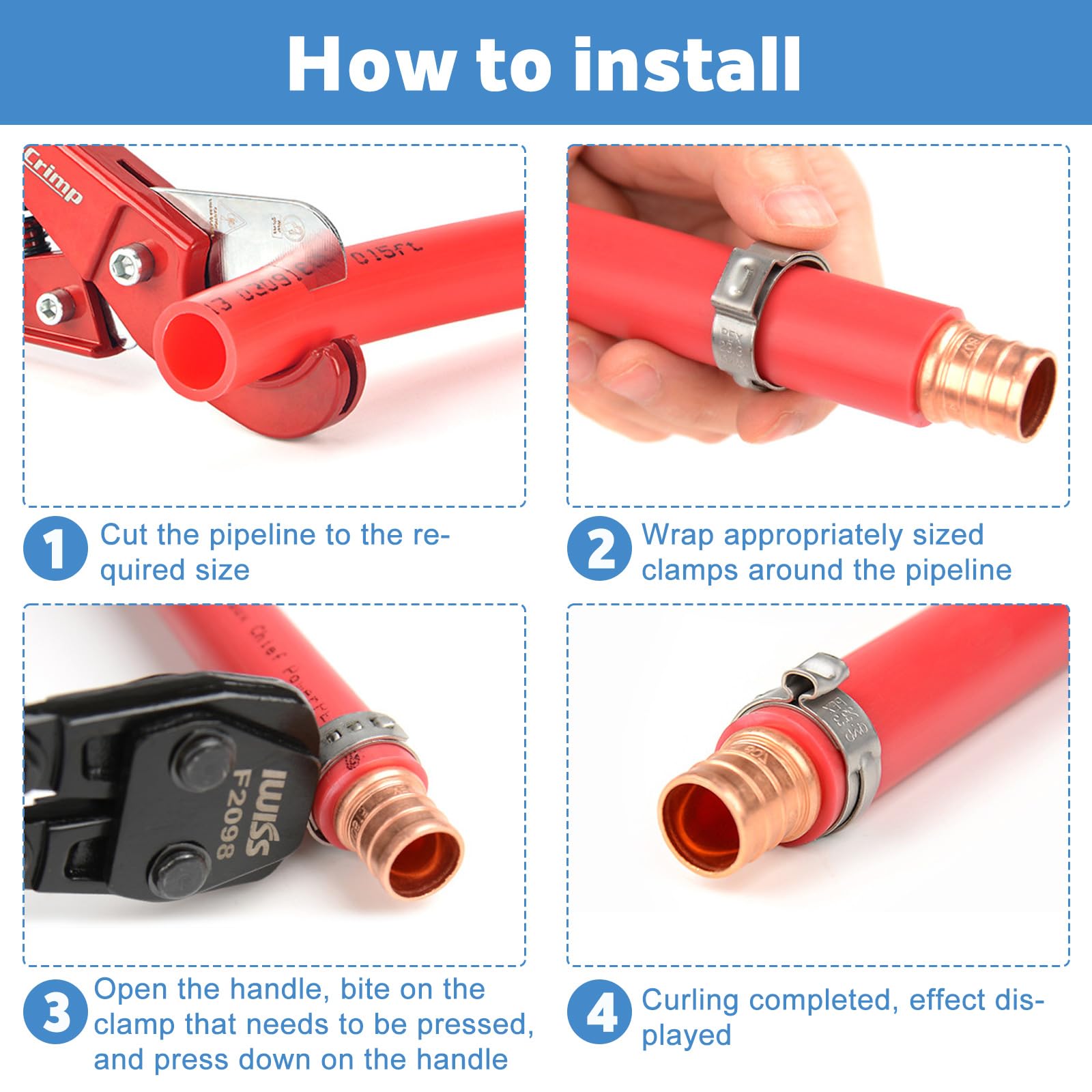
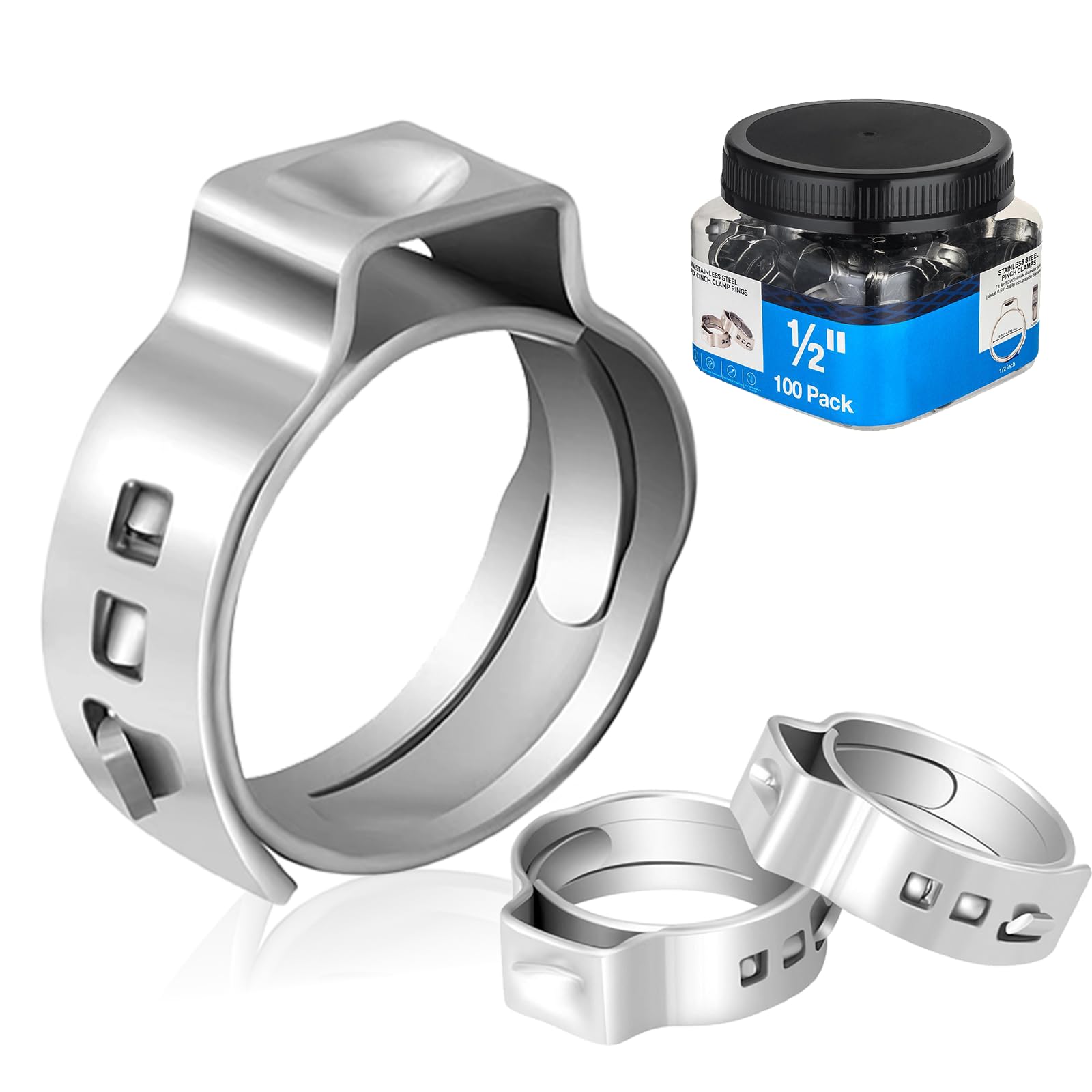
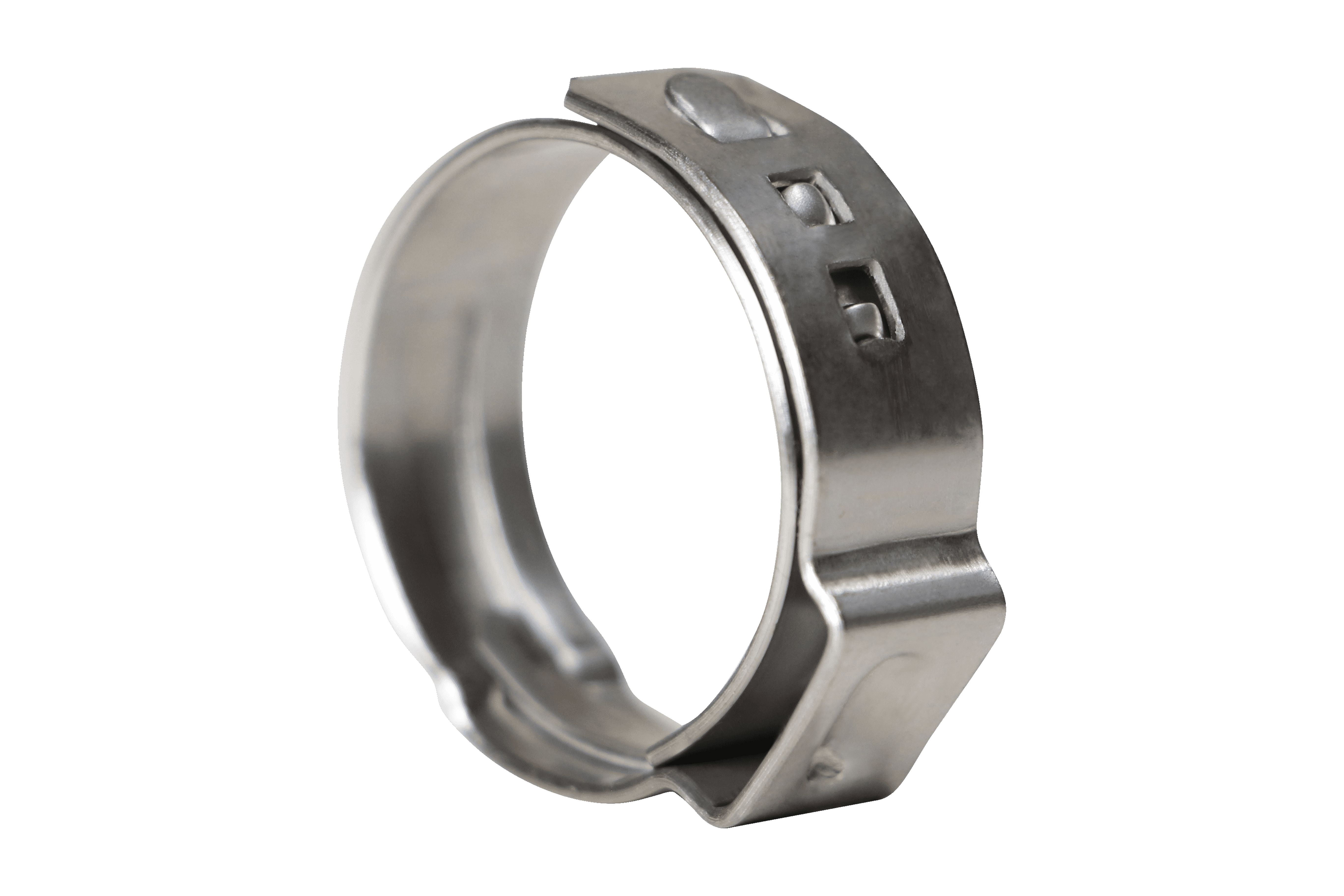
Cinch clamps use a stainless steel strap and a small, simple tool called a clamp tool or pinch tool. The strap wraps around the PEX and fitting, and the tool pinches a small tab to tighten the strap. The result is a secure metal band holding PEX to the barb.
Typical steps:
- Slide the clamp over the pipe.
- Push pipe onto the fitting until it seats.
- Position the clamp over the barb ridge.
- Use the cinch tool to crimp the clamp tight.
Cinch clamps are quick and handy for repairs and retrofit work. I often use cinch clamps for service calls because the clamp tool is lighter and smaller than heavy crimpers.
Comparative analysis: pex crimp ring vs cinch clamp
Durability
- Crimp rings have a long track record and resist corrosion well. They last decades if installed correctly.
- Cinch clamps are stainless steel and resist rust. They also last long but may be slightly less rigid than a well-made crimp.
Leak resistance
– Both methods give excellent seals when installed correctly.
- Human error is the main cause of leaks with either method. Proper placement and tool use are key.
Ease of use
- Crimping takes practice and a ratcheting crimp tool. It can be slower for beginners.
- Cinch clamps are faster and easier to learn. The tool is simpler and often lighter.
Cost
- Crimp rings cost a bit more per piece. A crimp tool has a higher upfront cost.
- Cinch clamps are cheaper per clamp. The cinch tool is usually less expensive.
Reusability and repair
- Crimp rings are permanent and must be cut off to replace.
- Cinch clamps can sometimes be loosened or cut and replaced easily.
Code and inspection
- Some local codes prefer one method. Always check local plumbing code. Both methods are approved in many jurisdictions.
- Inspectors often look for proper tool marks and gauge verification for crimp rings.
My practical take: both are solid choices. For new construction I like crimps for a uniform look. For quick repairs and retrofit, cinch clamps are my go-to.

Tools and step-by-step installation for each
Crimp ring installation
- Tools needed: ratcheting PEX crimp tool, crimp rings, go/no-go gauge, pipe cutter.
- Steps:
- Cut PEX square and smooth the end.
- Slide the crimp ring onto the pipe.
- Insert the pipe onto the barbed fitting fully.
- Position the crimp ring 1/8 to 1/4 inch from the fitting shoulder.
- Squeeze the crimp tool until it ratchets fully.
- Check with the go/no-go gauge.
Cinch clamp installation
- Tools needed: pinch clamp tool, stainless cinch clamps, pipe cutter.
- Steps:
- Cut and deburr the PEX end.
- Slide the clamp onto the pipe.
- Push the pipe onto the fitting until seated.
- Position the clamp over the barb ridge.
- Use the cinch tool to pinch the clamp until tight.
Tips:
- Always measure twice and seat fully on the barb.
- Avoid over-tightening the clamp in a way that cuts the pipe.
- Keep tools clean and in good condition for consistent results.
Common mistakes, troubleshooting, and real-world tips
Common mistakes
- Misplacing the ring or clamp too far from the barb.
- Not fully seating the pipe on the fitting.
- Using the wrong tool or skipping gauge checks for crimps.
Troubleshooting leaks
- Cut out the joint and inspect the PEX and fitting.
- For crimp rings, cut the copper ring off and replace it with a new ring or clamp.
- For cinch clamps, cut the strap and install a new clamp if needed.
Personal experience and lessons
- On one job, I saw a string of leaks from crimps done with a worn tool. Replacing the tool fixed the problem. Lesson: tool maintenance matters.
- I once repaired a retrofit with cinch clamps in under an hour. It saved the homeowner time and cost. Lesson: cinch clamps shine for quick fixes.
Practical tips
- Keep spare rings and clamps in your kit.
- Practice crimps on scrap pipe before working on live systems.
- Mark your first few installations and recheck them after a pressure test.
When to choose pex crimp ring vs cinch clamp
Choose crimp rings when:
- Local code or inspector prefers crimps.
- You want a tried-and-true method for new builds.
- You have the right crimp tool and use it often.
Choose cinch clamps when:
- You need speed for repairs or retrofits.
- You want a lighter, simpler tool on the job.
- You often work in tight spots where a crimper is hard to use.
Hybrid approach
- Many pros use both. Use crimps on long runs and in-wall work. Use cinch clamps for exposed repairs and service calls. This flexible method saves time and keeps quality high.

Frequently Asked Questions of pex crimp ring vs cinch clamp
Are crimp rings stronger than cinch clamps?
Crimp rings and cinch clamps both form strong seals when installed correctly. Strength depends more on correct placement and tool quality than the method itself.
Do building codes accept both methods?
Many codes accept both crimp rings and cinch clamps, but local rules vary. Always check your local plumbing code or with the inspector before you start.
Can I reuse a crimp ring or cinch clamp?
Crimp rings are not reusable; you must cut them off and use a new ring. Cinch clamps are often cut off and replaced but not typically reused for code work.
Which method is better for DIY beginners?
Cinch clamps are usually easier for DIYers due to their simpler tool and fast learning curve. Crimping requires practice and a gauge for consistency.
How do I test a joint after installation?
Perform a pressure test per local code and inspect visually for movement or gaps. If a joint leaks, replace the ring or clamp and retest.
Will a bad crimp cause a major leak?
A poorly made crimp can cause leaks, but major failures are rare with proper technique. Most leaks are small and found during pressure testing.
Is the tool cost worth it for crimping?
If you plan many installations, a quality crimp tool pays off in consistent results. For occasional work, cinch tools have a lower purchase cost.
Conclusion
Choosing between pex crimp ring vs cinch clamp comes down to code, tools, and the job type. Both methods deliver reliable seals when installed correctly. Use crimps for consistent in-wall work and cinch clamps for fast repairs and tight spots. My advice: practice both methods, keep quality tools, and always pressure test your work.
Take action now: inspect your tool kit, learn one new technique this weekend, or test a demo joint on scrap PEX. Share your experience or questions below, and subscribe to stay updated on practical plumbing tips.